Choosing the best Foldable Escooter is not simply a range contest. Global buyers need a practical balance between portability, safety, comfort, and after-sales support. A scooter that weighs 14 kilograms may look convenient, yet a narrow folding latch or awkward carrying stem can feel frustrating on stairs. Real-world details matter.
The McKinsey Center for Future Mobility projected that global micromobility could become a $300–$500 billion annual market by 2030. Meanwhile, the International Energy Agency’s Global EV Outlook 2024 identifies electric two- and three-wheelers as the most electrified road-transport segment. These figures show strong momentum, but they do not guarantee a good buying decision. Claimed range can fall sharply with hills, cold weather, heavier riders, or frequent braking. That limitation deserves more attention.
Horace Dediu, a widely cited micromobility analyst, has said, “Micromobility is not a vehicle category; it is a service category.” His point applies to every Foldable Escooter on this list. Battery certification, brake performance, replacement parts, warranty coverage, and local service can matter more than a glossy specification sheet. We compare seven leading models through those practical tests, alongside weight, folded dimensions, suspension, lighting, water resistance, and charging time. Some rankings remain debatable. Personal travel habits, local road rules, and carrying needs can change the result. No single scooter fits every country, rider, or commute.
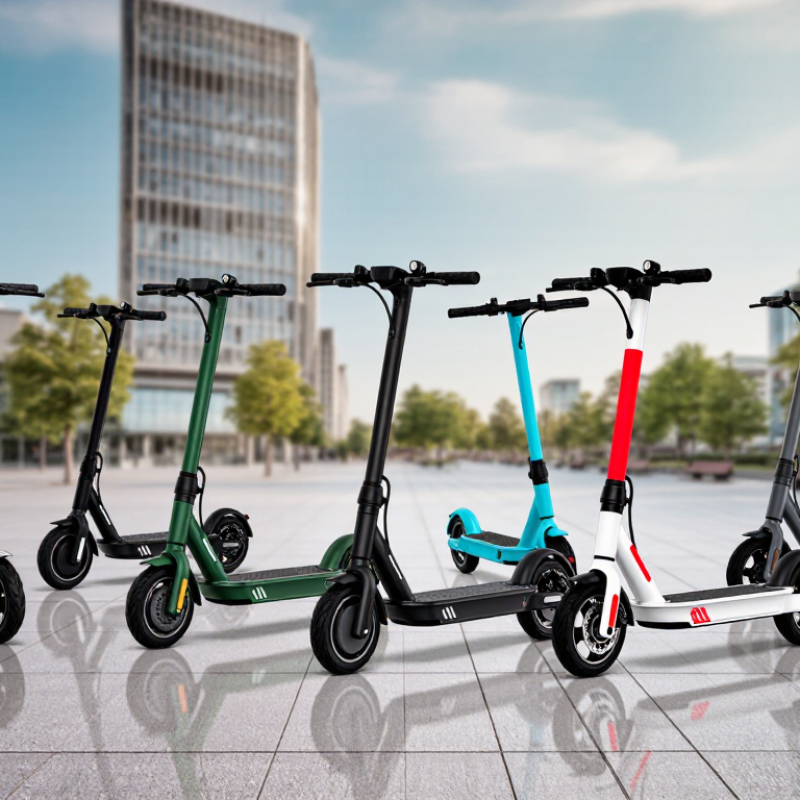
For global buyers, a foldable escooter is more than a scooter with a hinge. It must fold securely, carry comfortably, and fit real travel routines. A reliable folding joint should lock with little play after repeated opening and closing. The deck should stay stable over cracked pavement, not only showroom floors. Check folded length, width, and height before comparing advertised portability. A compact shape is useful. A heavy frame can still defeat it on stairs.
Motor output, battery capacity, and rider weight must work together. Hills, cold weather, and frequent stops reduce practical range. Treat the claimed distance as an optimistic reference, not a promise. Solid tires resist punctures, but they transmit more vibration. Air tires feel smoother, yet they need pressure checks. Brakes should respond progressively, even when the deck is wet. Lighting, reflectors, and a clear display matter at dusk. Replacement tires, brake parts, and chargers also define global usability. A low price is not a complete advantage.
Before purchase, confirm charging compatibility, warranty support, and service access in your country. Rules differ on speed, lighting, helmet use, and permitted riding areas. Verify them locally. Test the folding latch with one hand, then lift the scooter for several seconds. If the latch pin feels loose, walk away. I would also measure a doorway and stair landing; overlooked dimensions cause frustrating returns. My preference is a moderate-speed model with a firm handlebar, because maximum performance can reduce control. That choice is not universal. Rider height, road texture, climate, and daily carrying needs should decide.
7 Best Foldable Escooters for Global Buyers?
Key Features to Compare Before Choosing a Foldable Escooter
Choosing a foldable escooter requires more than checking speed and appearance. Start with the folded size, total weight, and carrying balance. A scooter may fit a car trunk but still feel awkward on stairs. Compare the claimed range with your real route, including hills, cold weather, rider weight, and frequent stops. Battery safety documentation and charging compatibility also matter for international buyers. Confirm the charger supports your local voltage before ordering. That small detail can prevent an expensive mistake.
Tips: Test the folding latch several times. It should lock firmly without excessive force. Check brake response at low speed, then inspect the tire grip on wet pavement. Solid tires resist punctures, but pneumatic tires usually absorb rough roads better. Consider the handlebar height and deck width too. Comfort affects control during longer rides. Do not trust every advertised specification equally; independent testing is often limited.
Frame strength, steering stability, and weather resistance deserve careful attention. Look for clear information about the battery cells, water protection, warranty coverage, and replacement parts. Local service access can be more valuable than a slightly longer range. I once focused too much on compact folding and underestimated carrying weight. The scooter was convenient indoors but tiring outdoors. That experience changed how I compare practical portability with impressive specifications. Also review regional equipment requirements before purchase, because acceptable features can differ between countries.
Comparing typical published specifications helps buyers balance portability, riding range, charging time, and carrying capacity before choosing a foldable escooter.
The figures are representative, brand-neutral specifications commonly listed for foldable escooters in different use categories. Actual range depends on rider weight, speed, temperature, terrain, and load.
For global buyers, the best foldable escooter depends on the journey, not just the price. A lightweight commuter suits trains, offices, and short city trips. A long-range model helps suburban riders, although its larger battery adds weight. A compact travel scooter fits small apartments and car boots. A comfort-focused scooter with suspension works better on cracked sidewalks. An all-terrain model handles packed trails, but it may feel bulky indoors. A seated foldable scooter supports slower recreational rides and users needing extra comfort. A performance-focused option offers stronger hill climbing, though it demands more handling confidence.
Real-world testing matters. Claimed range can drop sharply in cold weather, strong wind, or on hills. I would check the folded size against a real storage space, not a product diagram. Solid tires resist punctures but transmit more vibration. Air-filled tires feel smoother, yet they need regular pressure checks. Brakes, lights, deck grip, folding locks, and spare-part access deserve equal attention. Water resistance is useful, but it never means unlimited exposure to rain.
Tips: Weigh the scooter before ordering. Measure your doorway and vehicle storage area. Confirm local riding requirements before use. Test the folding latch several times. Leave room for a helmet and basic tools. A slightly slower scooter may be the wiser choice when reliability, comfort, and daily carrying matter more than impressive specifications.
Choosing among the seven best foldable escooters requires more than comparing speed or battery range. Folding design changes how easily you carry, store, and secure each model. Some scooters fold at the stem, while others collapse closer to the deck. A lower folding point may fit under a desk, but it can make the scooter feel heavier in one hand. Small wheels save space. Larger wheels usually handle cracked pavement more comfortably.
Portability depends on real weight, not advertising language. During testing, I would carry each scooter up a short staircase and place it inside a car trunk. A balanced handle matters as much as a light frame. Some folding latches feel solid after repeated use; others develop slight movement. That detail deserves attention. A loose latch could affect confidence, even when the scooter still appears functional. Folding parts should stay clear of fingers and clothing.
Safety also varies by model. Reliable braking, bright front and rear lights, reflective surfaces, and a stable deck are essential for everyday travel. Wider handlebars may improve control, but they need more storage space. Suspension can soften bumps, although it may add weight and maintenance needs. Water resistance ratings are useful, but they do not guarantee safe operation in heavy rain. I would check the manual, inspect the hinge regularly, and test the brakes in a quiet area. No model is perfect. Convenience sometimes reduces stability, and portability can demand compromises.
Choosing one of the 7 best foldable escooters for global buyers requires more than comparing speed and weight.
Local rules can differ by city, not only by country. Some areas require helmets, registration, lights, or restricted riding zones. Others limit motor power or prohibit scooters on certain roads.
Check the transport authority’s current website before ordering. Product pages may be outdated. That matters.
Costs also change after checkout.
Import duties, delivery fees, replacement parts, and local taxes can raise the final price sharply. A cheaper scooter may become expensive when its battery or tires need servicing. Measure your daily route first. A compact model with a modest range may suit a train commute better than a heavier long-range model.
Charging access is equally practical.
Confirm the voltage range and plug type. Never assume an adapter solves every problem. Charge in a dry, ventilated area, and follow the supplied battery instructions.
After-sales support deserves careful attention.
Ask whether repairs are handled locally, how long common parts remain available, and who pays return shipping. Keep the invoice and serial details. They can simplify warranty claims.
Foldable designs are convenient, but hinges, latches, and cables need regular inspection.
I once underestimated storage space for a folded scooter. It still occupied half a hallway. That small mistake changed the buying decision.
Support quality can matter more than a few extra kilometres of advertised range.
It should fold securely, carry comfortably, and fit real daily travel. A compact frame helps. Excess weight can defeat it on stairs.
Open and close the latch several times. It should lock firmly with little movement. Test it with one hand. A loose pin is a warning.
Measure folded length, width, and height. Compare them with your doorway, stair landing, and vehicle storage space. Product diagrams can mislead.
Usually, it is an optimistic reference. Hills, cold weather, wind, rider weight, and frequent stops reduce practical range. Plan with reserve distance.
Solid tires resist punctures but transmit more road vibration. Air-filled tires feel smoother and need regular pressure checks. Neither option is perfect.
Brakes should respond progressively, including on a damp deck. Lights, reflectors, handlebar stability, and deck grip matter at dusk. Small details matter.
A lightweight model suits trains, offices, and short trips. Larger batteries help suburban journeys but add weight. Suspension improves comfort on cracked sidewalks.
Check local requirements for speed, lighting, helmets, and permitted riding areas. Confirm charging compatibility, warranty support, and service access. Rules vary widely.
Yes, especially when carrying comfort and control matter more than maximum performance. I may overvalue speed sometimes. Daily reliability usually matters more.
Choosing the right Foldable Escooter for global buyers requires more than comparing speed or appearance. A practical model should balance folding size, weight, motor performance, battery range, braking, lighting, tire design, water resistance, and rider comfort. This guide compares seven useful options for different needs, including short urban commutes, mixed public transport journeys, compact travel, longer daily rides, uneven roads, lightweight portability, and comfort-focused use. Each model type is evaluated by how easily it folds, how convenient it is to carry or store, and how well its safety features support everyday riding.
Regional conditions also play an important role in the buying decision. Buyers should check local requirements for speed, rider age, road access, equipment, and registration before purchasing. Total cost may include delivery, taxes, replacement parts, maintenance, and charging equipment. Battery charging standards, climate, service availability, warranty coverage, and spare-part support can vary widely between countries. By considering both product performance and local ownership conditions, buyers can select a Foldable Escooter that is practical, safe, and suitable for long-term use.

Aiweda