The electric motorcycle market is rapidly evolving, with significant advancements and growing consumer interest. According to a recent report from the International Energy Agency, global electric motorcycle sales reached over 2 million units in 2022. This surge reflects a shift towards more sustainable personal transportation. Manufacturers are pivoting to electric models, addressing environmental concerns and rising fuel prices.
In 2026, buyers will face a diverse range of choices. Emerging brands and established players are all contributing innovative designs and technology. Tesla, Zero Motorcycles, and others are enhancing their offerings. However, this landscape also presents challenges. Battery range, charging infrastructure, and performance metrics remain vital considerations for potential buyers.
Consumers must navigate a mix of options and potential trade-offs. The excitement around electric motorcycles is palpable, but questions linger about reliability and maintenance. Buyers are advised to thoroughly evaluate models, factoring in their specific needs and local conditions. As the market matures, informed choices will play a crucial role in embracing this shift to electric mobility.
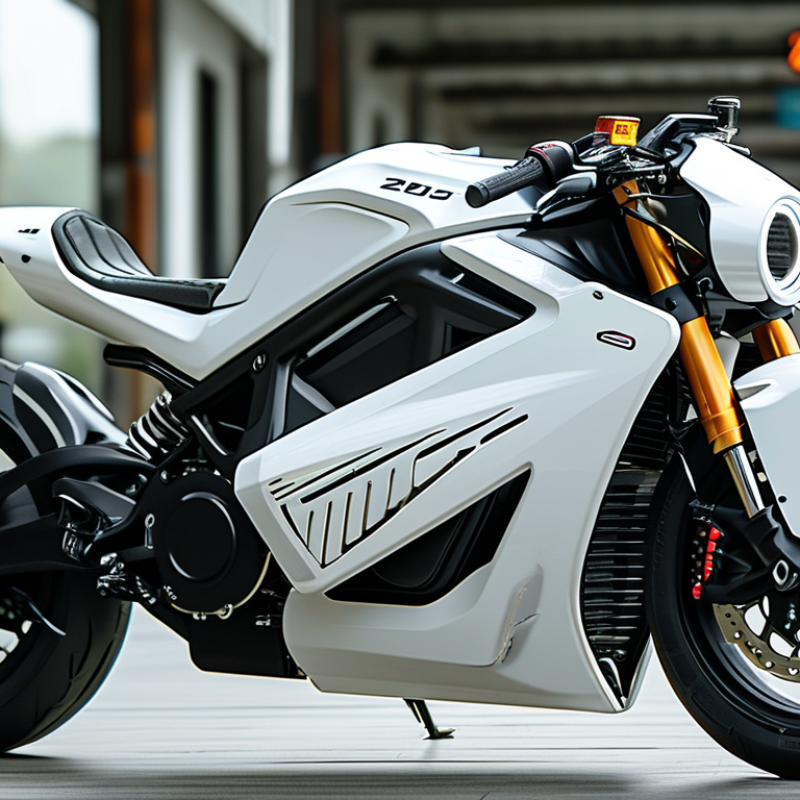
The electric motorcycle market is set to evolve significantly by 2026. More manufacturers are entering this space, driven by increasing demand for sustainable transportation. Buyers will see a variety of styles and features, appealing to both casual riders and enthusiasts. The rise in electric vehicle infrastructure will also play a key role in market growth.
Battery technology is advancing quickly, enhancing range and efficiency. Many new models may offer 200 miles on a single charge. Fast charging options will likely become a standard feature, reducing downtime. However, the pricing of these models can still be a barrier for some customers. Affordability remains a concern as companies strive to balance cost with quality.
Consumer interest in eco-friendly alternatives is growing. Still, challenges like range anxiety persist among potential buyers. Some customers worry about the availability of service and parts. The industry must address these concerns through innovation and reliable support. Clear information and transparent communication will be essential for building trust in the market. Overall, 2026 could be a pivotal year for electric motorcycles, but not without its hurdles.
The electric motorcycle market is rapidly evolving. In 2026, several key features will significantly enhance the riding experience. Riders will prioritize longer battery life. This ensures fewer stops for charging during long rides. Advanced battery management systems will optimize performance and longevity.
In addition to battery technology, lightweight materials will be crucial. As manufacturers focus on performance, using carbon fiber and aluminum will reduce overall weight. This leads to improved handling and efficiency. Electric drive systems will also become more sophisticated, offering better torque and responsiveness.
Tips for potential buyers: Consider the charging infrastructure in your area. It's essential to ensure easy access to charging stations. Research the motorcycle's weight and how it impacts performance. Also, examine how the technology evolves. Understand that features may require additional maintenance. An informed purchase will lead to a more satisfying ride in 2026.
As the electric motorcycle market grows rapidly, several key brands are expected to lead in 2026. A report from the International Energy Agency highlights an expected 40% annual growth rate for electric motorcycles over the next few years. This trend indicates a shift in consumer preferences towards sustainable transportation, but challenges remain.
The rise of electric motorcycles brings innovation and competition. Multiple brands are investing heavily in battery technology, aiming for longer range and quicker charging times. Notably, battery capacity improvements have shown substantial potential, with average ranges now exceeding 150 miles on a single charge. However, the infrastructure for charging is still lacking in many regions. This gap may slow adoption in certain markets.
Moreover, while pricing for electric motorcycles has decreased, affordability remains a barrier. Projections suggest price parity with traditional motorcycles could occur by 2026, but current models still pose a financial challenge for many buyers. Attention to these issues will be crucial for manufacturers. Balancing innovation with accessibility is vital in shaping the future of electric motorcycles.
As the electric motorcycle market expands, consumer preferences are shifting. Riders today seek environmentally friendly options. They want models that offer high efficiency and low emissions. Performance remains crucial. Many consumers desire bikes that are quick and agile. Therefore, manufacturers must focus on developing powerful yet sustainable motors.
Range is another significant factor. Buyers increasingly expect longer battery life for daily commuting. A motorcycle should comfortably cover at least 100 miles. Additionally, charging time must improve. Fast-charging capabilities are essential for convenience. Many riders express frustration with lengthy charging processes.
Design and technology play vital roles in consumer choices. Sleek aesthetics attract attention. Innovative features, like smart connectivity, enhance the riding experience. However, affordability remains a concern. Many potential buyers hesitate when faced with high prices. Companies should reflect on how to balance quality and cost-effectiveness. Making electric motorcycles accessible can help widen the consumer base.
This chart displays consumer preferences for various electric motorcycle features in 2026, illustrating the important aspects that potential buyers are looking for.
As electric motorcycles gain popularity, safety regulations are evolving. In 2026, industry reports predict that stricter safety standards will emerge. Countries are focusing on helmet laws, visibility requirements, and crash safety features. For instance, an increase in mandatory anti-lock braking systems (ABS) can potentially reduce accident severity. A report by a leading automotive safety organization indicates that ABS can lower fatal crash rates by 31%.
Regulatory trends also encompass emissions and battery disposal. In Europe, lawmakers are pushing for environmentally friendly battery recycling methods. The target is a 75% recycling rate by 2025. This impacts how manufacturers design and produce electric motorcycles. Companies will face pressure to use sustainable materials. The shift toward sustainable practices could lead to higher production costs. Manufacturers may struggle to balance environmental commitments with profitability.
Consumer education is vital in this landscape. Many riders still lack awareness of safety features and proper usage. Data shows that 45% of consumers underestimate the importance of safety gear. This gap highlights the need for enhanced training programs. As governments and organizations push for higher safety standards, addressing rider education will be essential. The industry must strive for a safer riding experience while navigating these evolving regulations.
: The market will grow with more manufacturers, driven by demand for sustainable transport and varied models for different riders.
Advancements will lead to longer ranges, with many models offering up to 200 miles on a single charge.
Pricing can be a concern, as affordability must balance with quality, affecting some customer decisions.
It is essential to ensure easy access to charging stations in the local area to support daily usage.
Sleek aesthetics and innovative features are attractive but should be balanced with affordability to widen the consumer base.
Many buyers worry about battery life and the availability of service, affecting their willingness to purchase electric motorcycles.
Charging times are expected to improve, with fast-charging capabilities becoming standard, aiding convenience for riders.
Lightweight materials like carbon fiber will improve handling and performance, but they also may increase costs.
Riders seek motorcycles that are quick and agile while remaining environmentally friendly, driving innovation in motor technology.
Advanced features may require more maintenance, which buyers should consider to ensure a satisfactory riding experience.
The electric motorcycle market is set to experience significant growth in 2026, driven by advancements in technology and changing consumer preferences. Key features expected in electric motorcycles include improved battery efficiency, enhanced range, and smarter connectivity options, allowing riders to enjoy a more intuitive driving experience.
As consumers increasingly prioritize sustainability and eco-friendliness, the demand for electric motorcycles is surging. Safety and regulatory trends will also play an important role, influencing design standards and operational guidelines. Consequently, both manufacturers and riders will need to stay informed about these developments to align with evolving expectations and regulations in the electric motorcycle landscape.

Aiweda