Choosing among China’s Electric Trike Bicycle manufacturers takes more than comparing factory prices. A polished product photo cannot reveal how a trike handles a steep driveway, a sharp turn, or a week of daily deliveries. Buyers should examine frame construction, motor and battery specifications, braking performance, component availability, and the maker’s quality-control process. Ask for test reports and clear warranty terms. Then check whether the answers are specific.
Edward Benjamin, a longtime light-electric-vehicle industry analyst, offers a useful expert lens for this comparison: evaluate the whole vehicle, not just its motor. The sentence here is an editorial summary, not a verified direct quotation. That distinction matters. Trustworthy sourcing should be as carefully checked as a weld or battery rating.
This guide compares manufacturers through practical questions: Can the company document its production standards? Does it support replacement parts after delivery? Can it adapt a model for cargo, passenger, or commercial use without vague promises? A low quote may look attractive. It may also leave important details unanswered. Even a reputable supplier deserves scrutiny, because factory capability and finished-product consistency are not always the same thing. The strongest shortlist will balance engineering, service, communication, and realistic operating needs—not just a low unit price.
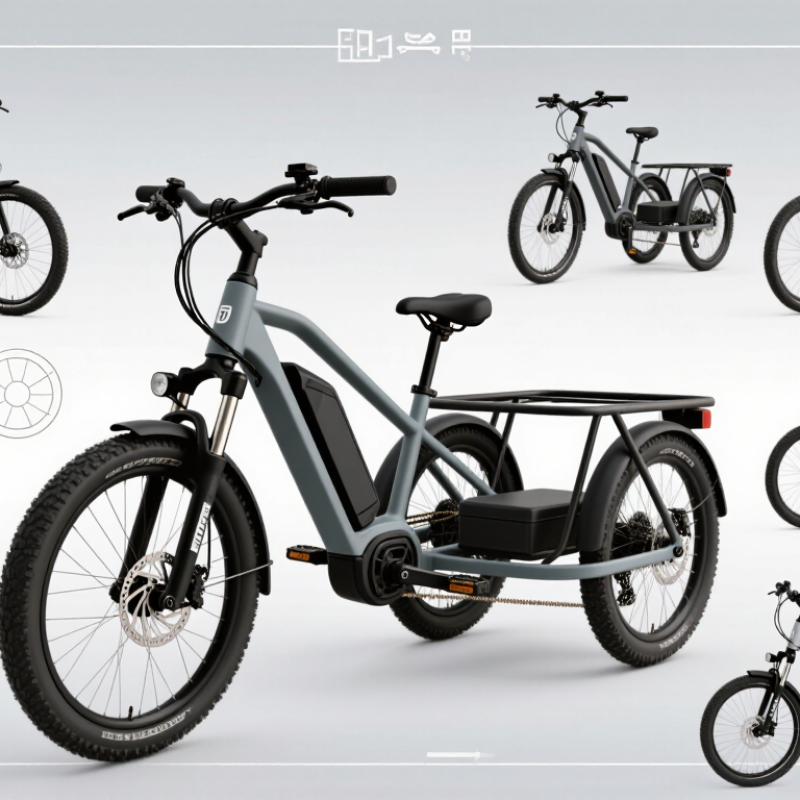
Electric Trike Bicycles: Definition, Design, and Main Types
China Best Electric Trike Bicycle Manufacturers?
Electric Trike Bicycles: Definition, Design, and Main Types
An electric trike bicycle combines a pedal-driven bicycle with three wheels and an electric motor. The motor assists pedaling, while the third wheel adds a stable base when stopped. It does not remove the need to steer, brake, or balance the load. Small details matter. A low step-through frame can make mounting easier, while a rear basket may shift weight behind the rider. Battery position also affects handling, especially when the trike is fully loaded.
The two common layouts are delta and tadpole. A delta trike has one front wheel and two rear wheels, often leaving room for a wide cargo area. A tadpole trike has two front wheels, which can provide a planted feel through turns, though its steering may take practice. Some models carry passengers; others are built for groceries or mobility needs. Check the rated load, brake type, turning space, and battery range under realistic conditions. A long advertised range can be less useful on hills or with heavy cargo. Specifications help, but a careful test ride often reveals what a brochure misses.
How to Evaluate Electric Trike Bicycle Manufacturers in China
When evaluating electric trike bicycle manufacturers in China, look beyond catalog photos. Ask how long the factory has produced trikes and which models it builds regularly. Experience with three-wheel frames matters because load balance and turning stability differ from standard bicycles. Details matter.
Request a sample and inspect it in person, if possible. Check welds, steering response, brake feel, tire clearance, and how the frame handles its stated load. Ask for battery and motor specifications, test records, and documentation suited to your destination market. One sample is not proof of consistent production, though. Compare several units from the same batch.
A reliable manufacturer should explain quality checks, production lead times, warranty terms, and replacement-part availability in clear language. Ask what happens if a controller fails or a wheel arrives damaged. Vague answers deserve follow-up. A polished showroom can still hide uneven finishing, so request dated factory or inspection photos. I would also verify shipping plans and packaging details before placing an order. Small omissions can become expensive delays. No supplier is perfect; the useful question is how openly they identify problems and correct them.
Notable Chinese Manufacturers and Their Product Specialties
China’s electric-trike manufacturing sector includes factories with different strengths, rather than one universal specialist. Some focus on compact utility trikes for neighborhood deliveries, with low step-through frames and rear cargo platforms. Others build passenger models with wider seats, weather canopies, and stable three-wheel layouts. A third group concentrates on export-oriented production, offering configurable batteries, controls, and frame dimensions. These are broad product categories; a factory’s actual capabilities should be confirmed directly.
Look beyond catalog photos. Ask for frame material and tubing details, battery capacity, motor rating, braking components, and maximum load information. A useful supplier can explain how these choices affect range, hill climbing, and handling under cargo. Request close-up assembly images or a sample inspection when possible. A tidy showroom finish is reassuring, but it does not prove consistent production quality. That matters.
Tips: Match the trike to its daily route and load, not just its advertised range. Ask how range was measured, and whether the figure included passengers or cargo. Check the details. Also confirm spare-part availability, warranty coverage, and customization limits in writing; vague answers can make maintenance harder later.
Electric Trike Design Specialties: Three-Wheel Layouts
Chinese electric trike makers may offer different configurations for cargo, passenger, or utility use. This chart compares two common three-wheel layouts—not company data or market-share figures.
Delta layout: one front wheel and two rear wheels. Tadpole layout: two front wheels and one rear wheel. Both configurations have three wheels; actual product designs vary.
Production Capabilities, Quality Control, and Compliance
Choosing an electric trike bicycle manufacturer means looking beyond workshop size. A capable factory should explain its monthly output, frame-welding process, battery sourcing, and assembly stages clearly. Ask how it handles a sudden increase in orders without skipping inspections. Walk the production floor if possible. Look for torque tools, organized component storage, and separate areas for testing. Small details matter.
Quality control should happen throughout production, not only before shipping. Inspectors can check welds, brake response, steering alignment, wiring connections, and battery performance. Ask for sample inspection records and details about how defects are corrected. A short road test on uneven ground can reveal rattles or unstable handling. It is not a complete test, but it helps. Even a well-equipped factory can miss issues, so clear reporting matters.
Compliance depends on the destination market and the vehicle’s configuration. Manufacturers should identify applicable product and battery requirements, maintain traceable test records, and keep technical documents current. Request evidence for the exact model, not just a general certificate. Labels, manuals, and charger specifications deserve attention too. Paperwork can look convincing while covering a different configuration. Review it carefully.
How to Choose a Manufacturer for Your Market and Needs
Choosing a manufacturer starts with your riders, not a catalog. A delivery fleet needs stable cargo handling, while family buyers may value easy mounting and passenger comfort. Write down typical routes, daily distance, rider height, and expected load before comparing suppliers. Fit matters. Ask for frame dimensions and a demonstration unit, then check how the trike turns on a narrow street and climbs a familiar hill.
Compare specifications carefully. Ask for the motor’s rated output, battery capacity, charging time, braking setup, and tire size in writing. These details should match the work the trike will actually do. A high payload figure means little if the frame feels unsettled with a real load. Request test reports where available, and clarify how components can be replaced. Ask about sample orders, production lead times, spare-parts access, and warranty procedures. Get the answers documented.
Service support can matter as much as the purchase price. Find out whether technicians can diagnose common faults and whether replacement parts are readily available in your market. Check packaging, assembly instructions, and delivery arrangements with your own team. One detail is easy to overlook: a trike that suits a showroom may not suit a rainy commute or rough pavement. I may be giving after-sales support extra weight, but a delayed part can keep a vehicle off the road for days.
FAQS
Some build compact utility trikes with low step-through frames and rear cargo platforms. Others make passenger models with wider seats and weather canopies.
Match it to your usual distance, hills, passengers, and cargo. Ask how the advertised range was measured. Was the trike carrying a load?
Ask about frame materials, tubing, battery capacity, motor rating, brakes, and maximum load. These details affect handling and climbing. Check them closely.
Ask about monthly output, welding, battery sourcing, and assembly checks. If possible, look for organized parts, torque tools, and testing areas. Small details matter.
Inspect welds, brakes, steering alignment, wiring, and battery performance. A short ride over uneven ground may reveal rattles or unstable handling. Not a complete test.
No. Request close-up assembly images or a sample inspection when possible. A polished showroom finish can look reassuring, but it proves little about consistent production.
Get spare-part availability, warranty coverage, and customization limits in writing. Vague answers can make later repairs harder. That part is easy to overlook.
Requirements depend on the destination market and the exact configuration. Request current test records and documents for that model. Check labels, manuals, and charger details; paperwork may cover a different version.
Conclusion
This guide explains what an Electric Trike Bicycle is, how its three-wheel design supports stability and carrying capacity, and how common configurations serve different riders and uses. It outlines practical ways to assess manufacturers in China, including their engineering experience, customization options, production scale, communication, and ability to meet a buyer’s specifications.
The article also discusses how to compare manufacturers’ product specialties, manufacturing capabilities, quality-control processes, and compliance documentation. Buyers can use these considerations to match a supplier with their target market, budget, expected order volume, and after-sales requirements. By evaluating both product suitability and production reliability, businesses can make a more informed choice and build a clearer plan for sourcing electric tricycles.

 Aiweda