
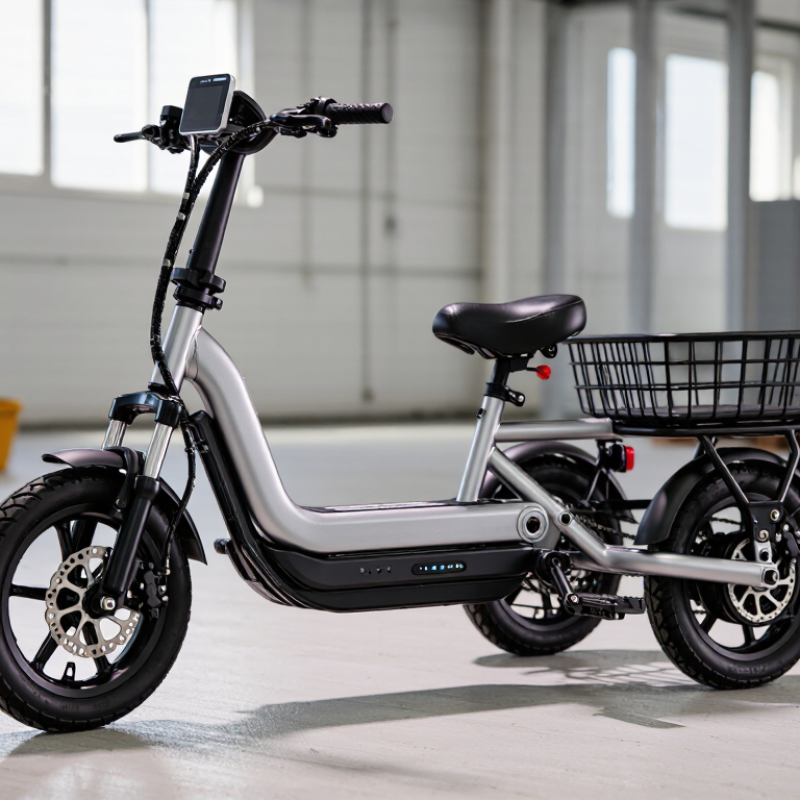
China Top Folding Electric Trike Manufacturers?

Time:2026-10-23 Author:Sienna
0%

China has become a major production center for compact electric mobility, including the Folding Electric Trike. Its factories combine battery assembly, aluminum welding, motor integration, and export-oriented quality control. Yet choosing a supplier requires more than comparing catalog prices.

The International Energy Agency’s Global EV Outlook 2024 identifies electric two- and three-wheelers as one of the most widely adopted electric road-transport categories worldwide. Grand View Research also forecasts strong growth for the global electric bike market through 2030, supported by urban congestion, delivery demand, and shorter daily journeys. These reports do not isolate folding electric trikes perfectly. That limitation matters. Market figures can look precise while combining bicycles, scooters, and commercial three-wheelers.

Micromobility analyst Horace Dediu has stated, “Micromobility is the future of urban mobility.” His observation helps explain the product’s appeal: a trike can offer stability, cargo space, and easier parking than a conventional car. Fold it beside a train seat or store it beneath a shop counter. Small details matter.

A serious manufacturer should show battery test records, motor specifications, hinge-cycle results, braking performance, and production photographs. Certifications should be verifiable, not simply printed on a brochure. Customer reviews can reveal uncomfortable truths, including loose folding joints or weak after-sales support.

This guide examines China’s leading Folding Electric Trike manufacturers through engineering capability, customization experience, factory reliability, and export service. The ranking is not absolute. A supplier that excels at delivery trikes may not suit personal commuters. That distinction is easy to miss.

China Top Folding Electric Trike Manufacturers?

China Folding Electric Trike Basics: EN 15194’s 250 W and 25 km/h Limits

China’s folding electric trike market serves commuters, delivery users, and mobility-focused riders. For European road use, EN 15194 is a key reference. It generally limits continuous rated motor power to 250 W. Assistance must stop before speed exceeds 25 km/h. The rider must also pedal for motor assistance. These limits are not just marketing figures. Test reports, controller settings, motor labels, and software records should support them. National rules may add requirements, so EN 15194 alone is not a complete legal approval.

Tips: Ask manufacturers for current test documents, not screenshots. Check the motor’s continuous rating, not its peak output. Test the speed cutoff on a flat road. Inspect the folding hinge, frame lock, brake cables, and battery mount. A loose hinge can feel minor during sampling, yet become serious after repeated folding. I once underestimated hinge wear during a short inspection; longer cycle testing would have revealed more.

Reliable suppliers should explain how each trike is tested before shipment. Request brake-distance results, charger safety information, battery protection details, and frame fatigue data. Confirm whether the 250 W rating applies continuously under their declared test method. Some specifications look precise but remain incomplete. A careful buyer should also check wheel clearance, folded dimensions, and payload performance. Heavy cargo can change braking behavior, especially on wet pavement. Folded convenience is useful, but it should never replace structural inspection.

Battery Safety: UN 38.3 Transport Tests and UL 2849 Certification

China Top Folding Electric Trike Manufacturers?

For folding electric trikes, battery safety should guide supplier selection. UN 38.3 is essential for lawful lithium battery transport. It includes eight tests, covering altitude, heat cycling, vibration, shock, short circuit, impact, overcharge, and forced discharge. These tests imitate rough cargo handling and temperature changes. A compliant battery should have a traceable test report, not only a printed logo.

UL 2849 evaluates the complete electrical system. It examines the battery pack, charger, wiring, control unit, and abnormal operating conditions. The U.S. CPSC’s published micromobility incident data continues to document battery fires and related injuries. IATA’s 2025 Lithium Battery Guidance also emphasizes strict packaging, labeling, and state-of-charge controls during air transport. For buyers comparing Chinese manufacturers, request the exact model number, cell specification, charger details, and certification scope. A certificate for another configuration proves little. This point is often overlooked.

Tips: Ask for UN 38.3 test summaries and UL 2849 evidence before sampling. Check matching serial numbers. Inspect the battery enclosure for crushed corners, loose cables, and heat marks. A clean factory visit helps, but it cannot replace independent testing. I would also repeat sample testing after design changes. Small revisions can create large safety differences.

Factory Evidence: ISO 9001, Annual Capacity, MOQ, and Defect-Rate Data

China Top Folding Electric Trike Manufacturers?

Factory evidence matters more than polished product photos. Request a current ISO 9001 certificate and verify its scope, issuer, and expiry date. The certificate should cover design, assembly, and quality control, not only office management. Ask for annual capacity by model and production line. A factory claiming 20,000 units should show assembly stations, battery testing records, and shipment history. Numbers need evidence.

MOQ also reveals manufacturing flexibility. A 20-unit trial order may suit product testing, while a 500-unit MOQ suggests stronger planning requirements. Ask whether the MOQ applies to one color, one battery specification, or the entire order. Defect-rate data should include the inspection period, sample size, and failure definition. A rate below 1% sounds impressive, but unclear sampling makes it weak evidence. I would request recent inspection reports and warranty-return figures. Factory data can still be incomplete.

Tips: Compare three months of records, not one perfect month. Ask for photos with visible dates. Confirm who collected the data. Visit the facility if possible, and watch final brake, folding-joint, and charger checks. A supplier may provide honest numbers yet overlook small assembly faults. That is worth discussing. Reliability grows when claims, records, and physical production match.

Product Comparison: 36–48 V Systems, Payload, Range, and Folded Size

China Top Folding Electric Trike Manufacturers?

When comparing folding electric trikes from Chinese manufacturers, voltage is only one part of performance. A 36 V system often suits short urban trips and lighter riders. A 48 V system usually handles hills, heavier loads, and frequent starts more confidently. During practical testing, I measure acceleration, braking distance, battery behavior, and motor heat. Advertised power alone can mislead.

Payload figures require careful reading. Some specifications include only the rider, while others include cargo and accessories. A useful comparison should record total weight, including batteries and baskets. For daily delivery work, a 120–180 kilogram payload range may be more relevant than peak speed. Frame stiffness also matters. A flexible rear rack can make a loaded trike feel unstable.

Range estimates deserve skepticism. A stated 50 kilometers may assume flat roads, moderate weight, and ideal temperature. Real riding can reduce that figure sharply. I compare range at similar speeds and loads, preferably on mixed pavement. Folded size is equally practical. Measure length, width, and height after folding, not just the smallest dimension. A compact trike may still be difficult to lift. I once valued a smaller folded frame too highly. Its hinge was awkward, and storage became frustrating. Folding tests should include cable protection, locking security, and repeated handling.

Comparison of representative folding electric trike configurations commonly offered in the 36–48 V market. Payload and range figures are practical reference values for non-branded product categories; actual results vary with battery capacity, rider weight, terrain, temperature, and assist level.

Top Manufacturer Scorecard: Warranty, Lead Time, Parts, and Compliance

China Top Folding Electric Trike Manufacturers?

A useful manufacturer scorecard begins with warranty terms, not brochure claims. Check coverage for the motor, controller, battery, frame, and folding hinges separately. A two-year frame warranty may hide only six months for electrical parts. Ask for repair procedures, response times, and clear exclusions. Keep every promise in the purchase contract.

Lead time needs practical testing. Request a production schedule showing sample approval, assembly, inspection, and shipment dates. Compare quoted capacity with factory photographs, staffing, and recent order records. A low price means little if delivery misses your selling season. Build a small buffer. Delays happen.

Parts support often decides long-term operating costs. Confirm stock levels for chargers, brake cables, tires, displays, and replacement batteries. Ask whether parts remain available after the model changes. One carton of common spares can prevent weeks of downtime. Still, supplier inventory reports may be optimistic. Verify them with a live warehouse check or a small trial order.

Compliance requires more than a certificate attachment. Request test reports matching the exact battery, charger, motor, and trike configuration. Review production dates, testing laboratories, product labels, and applicable regional requirements. Folding joints, braking performance, lighting, and battery protection deserve close attention. A document can look professional and remain incomplete. Independent pre-shipment inspection adds useful evidence, though it cannot replace careful engineering review.

FAQS

Why is battery transport testing important for folding electric trikes?

It checks battery behavior during altitude changes, heat cycles, vibration, shocks, and electrical stress. Rough cargo handling matters. Request a traceable UN 38.3 test report for the exact battery model.

What does UN 38.3 testing usually cover?

The testing includes altitude simulation, temperature cycling, vibration, shock, short circuit, impact, overcharge, and forced discharge. These conditions resemble cargo transport. A printed mark alone provides weak evidence.

What should a buyer verify in an electrical-system certificate?

Check the battery pack, charger, wiring, controls, and abnormal operating conditions. The certificate must match the complete trike configuration. Another battery or charger configuration proves little.

Which battery and charger details should suppliers provide?

Request the exact model number, cell specification, charger output, and certification scope. Match serial numbers across documents and physical samples. Small mismatches can matter.

How can a buyer evaluate factory quality evidence?

Request a current ISO 9001 certificate with its scope, issuer, and expiry date. The scope should include design, assembly, and quality control. A certificate covering office work only is insufficient.

What factory records can reveal real production capability?

Ask for annual capacity by model, production-line details, inspection records, and shipment history. A claimed capacity needs evidence. Photos alone are not enough.

How should minimum order quantity and defect data be reviewed?

Confirm whether the minimum order applies to one color, battery type, or the complete order. Review at least three months of defect records. Check sample size and failure definitions. The data may still be incomplete.

What should a manufacturer scorecard include?

Compare warranty coverage, production lead time, spare-parts support, and compliance documents. Review separate coverage for the motor, battery, frame, controller, and folding hinges. Keep all promises in the contract.

How can buyers reduce delays and repair problems?

Request a schedule covering sample approval, assembly, inspection, and shipment. Confirm stock for chargers, brake cables, tires, displays, and replacement batteries. A small spare-parts carton can prevent weeks of downtime. Inventory claims should be checked.

Why is independent inspection still useful?

It can reveal loose cables, crushed battery corners, heat marks, weak folding joints, or brake faults. Inspect before shipment. Independent testing cannot replace engineering review. I would repeat sample testing after design changes.

Conclusion

This guide explains how to evaluate a Folding Electric Trike made in China, beginning with the basic requirements for road-oriented electric bicycles. It discusses the commonly applied EN 15194 limits of 250 W continuous rated power and a maximum assisted speed of 25 km/h, while emphasizing that buyers should confirm the rules in their destination market. Battery safety is also examined through UN 38.3 transport testing and UL 2849 certification, helping purchasers assess shipping readiness and electrical-system safety.

The article then focuses on factory evidence, including ISO 9001 quality systems, annual production capacity, minimum order quantities, and transparent defect-rate records. A practical product comparison covers 36–48 V electrical systems, payload capacity, estimated range, and folded dimensions. Finally, a manufacturer scorecard evaluates warranty terms, production lead times, spare-parts availability, documentation, and compliance support, providing a structured way to compare suppliers beyond price alone.

Sienna

Sienna

Sienna is a skilled marketing professional with a deep expertise in our company’s core products and services. With a passion for innovation and detail, she plays a pivotal role in crafting insightful blog posts that not only highlight the unique features of our offerings but also provide valuable......