Choosing the best Automatic Folding Scooter requires more than comparing prices and glossy photographs. It means matching mobility needs with real daily conditions. A user may need to cross uneven pavement, enter a narrow elevator, or lift the scooter into a car. Weight, folded dimensions, turning radius, battery range, seat support, and braking performance therefore deserve careful attention.
The World Health Organization and UNICEF reported in the Global Report on Assistive Technology (2022) that more than 2.5 billion people need assistive products worldwide. This figure could exceed 3.5 billion by 2050. The report also stresses appropriate design, affordability, maintenance, and user training. These priorities apply directly to folding mobility scooters. Grand View Research’s Mobility Scooters Market Size, Share & Trends Analysis Report also identifies portability and growing demand for personal mobility as important market drivers. However, market growth does not prove that every popular model is safe or suitable.
A reliable comparison should examine certified testing, warranty coverage, battery replacement, and local service access. ISO 7176-related performance information can provide useful evidence, but marketing language may still hide practical limitations. A scooter advertised as “lightweight” may remain difficult to lift after adding the battery. A long claimed range may shrink on hills, cold roads, or heavier loads. No model wins every test. Even a careful buying guide has limits because comfort and confidence vary between users. The best Automatic Folding Scooter is the one that fits the user, the journey, and the available support—not simply the model with the highest specification.
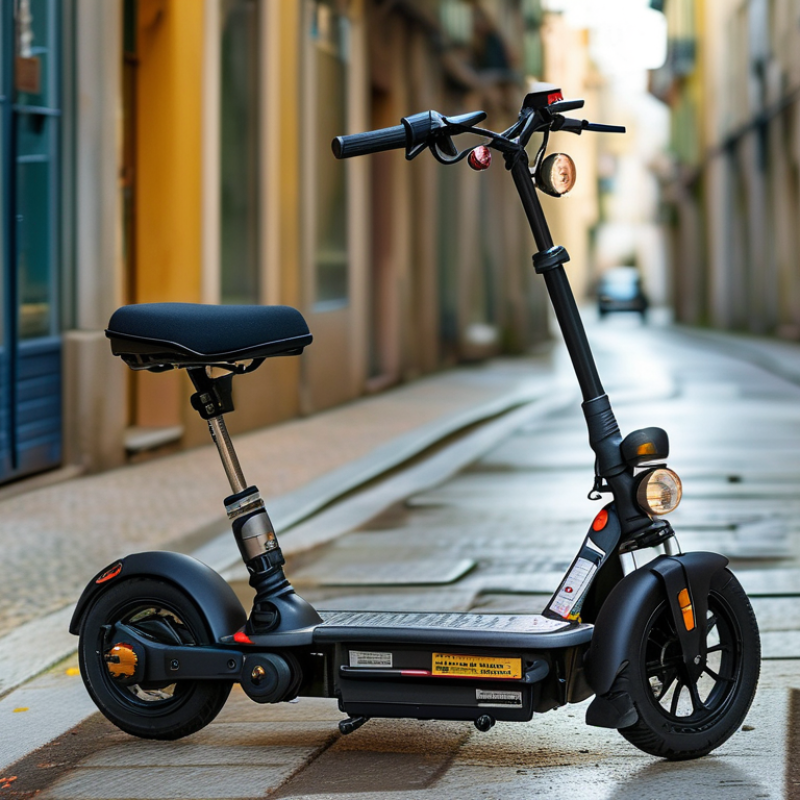
Automatic folding scooters come in several practical forms. Three-wheel models usually offer a tighter turning radius for apartments and narrow shop aisles. Four-wheel models provide greater stability on uneven pavements. One-touch folding designs suit users with limited hand strength, while remote-assisted systems reduce bending. However, “automatic” does not always mean effortless. Some folding mechanisms still require careful alignment and two hands.
Market estimates show why this category is expanding. Grand View Research valued the global mobility scooters market at about USD 1.6 billion in 2023, with continued growth expected through 2030. The World Health Organization reports that 1.3 billion people live with significant disabilities worldwide. These figures suggest strong demand, but they do not prove that every folding scooter fits every user. Real experience matters. Test the seat height, tiller angle, and folding trigger before purchase. A scooter that feels light in a showroom may feel awkward beside a car trunk.
Key features should match daily routes. Check the folded dimensions, total lifting weight, turning radius, ground clearance, and stated range. Battery range is often measured under controlled conditions, so hills, cold weather, rider weight, and frequent stops can reduce it. Look for electromagnetic braking, anti-tip wheels, reflective details, and an accessible battery indicator. Independent laboratory testing and clear service documentation add reliability. Do not overlook the seat. Poor cushioning can become painful after twenty minutes. Some advertised specifications also need skepticism. Ask for measured values, warranty terms, charger safety information, and local transport requirements before relying on them.
Choosing an automatic folding scooter starts with daily mobility, not folding speed. The CDC’s Disability and Health Data System reports that about one in seven U.S. adults has a mobility disability. That figure makes personal assessment essential. Can you stand, transfer, steer, and brake safely? Measure doorways, lift heights, and turning space at home. A scooter that folds neatly may still feel unstable on uneven pavement.
Comfort deserves a real-world test. Sit for at least fifteen minutes. Check whether your knees bend naturally and your back remains supported. Examine the tiller angle, seat width, suspension, and control resistance. The 2022 WHO-UNICEF Global Report on Assistive Technology estimates that more than 2.5 billion people need assistive products worldwide. Demand is growing, but comfort needs remain individual. I once focused too much on battery range. That was a mistake.
Think about intended travel. For short shopping trips, airport transfers, or hotel corridors, compact folded dimensions may matter most. For outdoor routes, prioritize ground clearance, tire design, braking performance, and weather limitations. Verify the folded weight before purchase. “Easy to fold” does not mean easy to lift. Ask whether the battery can be removed and whether the scooter fits your vehicle without blocking visibility. Review manufacturer testing details, warranty terms, and service access. Specifications help, but a supervised trial reveals more. Take notes. Then question them.
A reliable automatic folding scooter should make daily travel safer, not merely more convenient. Examine the folding system closely. It should stop when an obstruction is detected and prevent movement before the frame locks fully. Check for exposed pinch points around the hinges. Test the parking brake on a gentle slope, then inspect the anti-tip wheels, headlights, reflectors, and horn. Small details matter.
Performance depends on more than maximum speed. Measure the scooter’s turning radius in a narrow hallway or elevator. Consider ground clearance if sidewalks near your home are uneven. A stable seat, responsive controls, and predictable braking are more useful than impressive figures. Check the recommended weight capacity carefully, including shopping bags. Too much load can reduce stability and shorten stopping distance.
Battery range requires honest testing. Manufacturers often measure range under ideal conditions, with a light rider, flat ground, and moderate temperature. Real use includes hills, frequent starts, heavier loads, and cold weather. Compare the tested range with your normal journey, then keep a practical reserve. Charging time also matters. A removable battery may help in apartments, but its locking system must feel secure. I would not choose quickly; a convenient folding mechanism can still disappoint if the battery fades before the trip ends. Ask for service information and battery replacement costs before purchasing.
When choosing an automatic folding scooter, portability should be tested, not guessed. Measure the folded height, width, and depth. Then compare them with your car’s trunk opening. A compact frame may still feel heavy on stairs. The World Health Organization reported in 2022 that 1.3 billion people experience significant disability worldwide. Reliable mobility equipment therefore needs practical transport planning, not attractive specifications alone. Check the lifting points and wheel position. Your back will notice small design mistakes.
The folding mechanism also deserves close inspection. Look for a clear control, stable locking points, and protection from accidental activation. Try folding it beside a vehicle, with limited space. A scooter that folds smoothly indoors may be awkward near a crowded curb. Transport rules can add another limitation. The International Air Transport Association’s passenger baggage guidance requires advance coordination for mobility aids with lithium batteries. Battery type, watt-hour rating, and removal instructions may affect acceptance. Airline policies can differ, so written confirmation is safer than verbal assurance. I underestimated this step once; convenience can disappear at check-in.
How to Choose the Best Automatic Folding Scooter?
Maintenance can reveal more than a showroom demonstration. During a trial, fold the scooter several times and listen for grinding sounds. Check whether the locking mechanism feels firm, not loose. Ask how often hinges, tires, brakes, and batteries need inspection. A removable battery may simplify charging, but replacement prices can change the scooter’s real cost. Keep that in mind.
Warranty coverage deserves careful reading. A reliable warranty should clearly describe coverage for the frame, motor, battery, charger, and folding controls. Some batteries receive shorter protection than other components. That detail matters. Ask who pays for shipping, labor, and diagnostic checks. Also, request the average repair time. A generous promise means little if parts remain unavailable for weeks.
Overall value includes daily convenience, not just the purchase price. Compare the scooter’s weight with your lifting ability and vehicle space. Measure the folded dimensions before ordering. A compact design can still feel heavy on stairs. I once focused too much on folding speed and overlooked awkward handle placement. That mistake made loading tiring. Test the controls with one hand, inspect the ground clearance, and ask for written service instructions. Independent repair support can reduce future delays, even when the initial price is higher.
Compare the factors that most directly affect long-term ownership. The scores use a transparent 100-point checklist based on maintenance simplicity, warranty scope, battery serviceability, and total cost of ownership. They are general evaluation benchmarks, not company or brand ratings.
How to read the chart: A higher score indicates fewer routine maintenance demands, broader warranty protection, easier battery servicing, or better overall value. Always confirm warranty exclusions, battery coverage, replacement-part availability, and service labor costs before purchasing.
: Look for obstruction detection, secure locking points, and protected hinges. Pinch points matter. Test the parking brake on a gentle slope. Check anti-tip wheels, headlights, reflectors, and the horn.
Fold the scooter beside a vehicle, where space is limited. Check whether movement stops during an obstruction. Repeat the process several times. A smooth first attempt proves little.
Measure its folded height, width, and depth. Compare these measurements with your car’s trunk opening. Check the lifting points and wheel position. A compact scooter can still feel heavy on stairs.
Not by itself. Test the turning radius in a hallway or elevator. Consider ground clearance on uneven sidewalks. Stable seating, responsive controls, and predictable braking may matter more.
Compare the stated range with your normal journey. Include hills, frequent stops, heavier loads, and cold weather. Keep a practical reserve. Ideal testing conditions can feel misleading.
Charging time affects daily planning. A removable battery may help in an apartment. Check its locking system carefully. The battery should feel secure. I once valued convenience too quickly.
Confirm the recommended weight capacity. Include shopping bags and personal items. Excess weight can reduce stability and increase stopping distance. Small bags still count.
Do not assume acceptance. Battery type, watt-hour rating, dimensions, and removal instructions may affect travel approval. Contact the carrier in advance and request written confirmation. Policies can differ.
Choosing the best Automatic Folding Scooter begins with understanding the different types available and identifying the features that match your daily mobility needs. Consider where and how you plan to use it, such as indoors, on sidewalks, during shopping trips, or while traveling. Seat comfort, steering ease, weight capacity, and user-friendly controls are especially important for a safe and enjoyable experience.
You should also compare braking systems, lighting, stability, motor performance, and battery range to ensure reliable operation. Examine how easily the scooter folds, its folded size and weight, and whether it can fit in your vehicle or be transported on public transit. Finally, review maintenance requirements, battery care, warranty coverage, and replacement support. The best choice offers a practical balance of safety, comfort, portability, durability, and long-term value rather than simply the lowest price.

Aiweda