How to Choose the Best Electric Trike Scooter?

Time:2026-10-30 Author:Isabella
0%

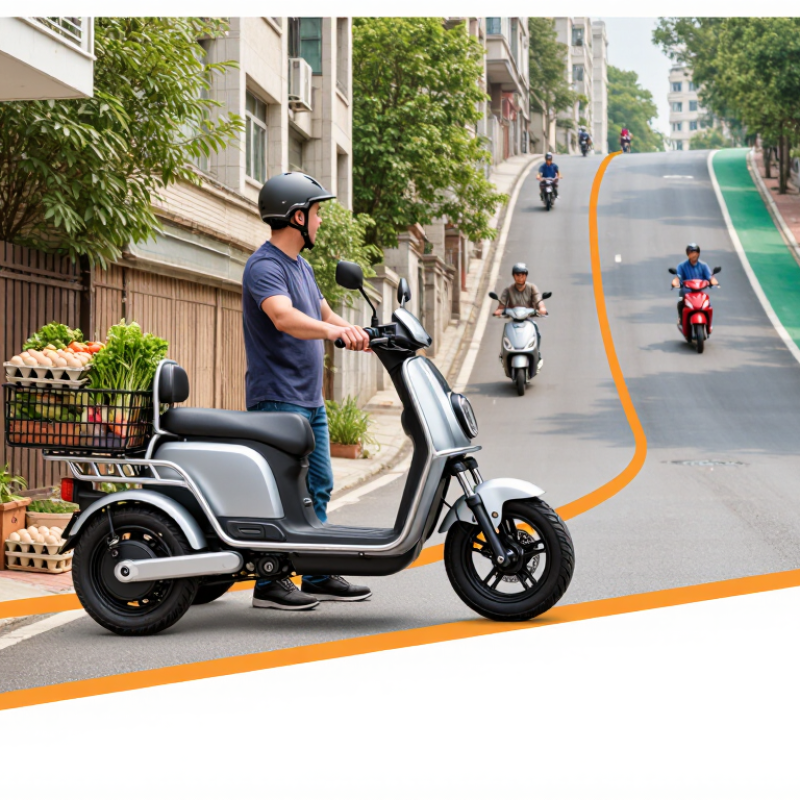
Choosing an Electric Trike Scooter is about more than comparing motor power or advertised range. The right model should feel steady at a stop, turn predictably, and fit the rider’s daily route. Imagine a grocery run: a loaded rear basket, a narrow driveway, and one steep block can reveal more than a showroom ride.

The market context is growing, but the numbers need careful reading. NACTO’s 2023 Shared Micromobility Report recorded 133 million shared micromobility trips in the United States and Canada. Those trips involved shared bikes and scooters; they do not measure electric trike sales. Still, the report shows why practical, short-trip transport deserves attention. For trikes, compare usable range under load, braking performance, turning space, seat comfort, and access to service—not just the biggest numbers on a product page.

Portland State University transportation researcher John MacArthur studies electric bicycles and their role in everyday travel. His research offers a useful lens: judge an electric vehicle by how well it serves real trips, not by specifications alone. That is a paraphrase, not a direct quotation. A test ride matters. So does a second look at the details: Can the rider mount easily? Does the trike fit through the garage door? Are replacement tires and battery support available nearby? Some specifications remain difficult to compare across brands. Keep that uncertainty in view. This guide explains how to weigh the evidence and choose a trike that feels practical, safe, and comfortable in daily use.
How to Choose the Best Electric Trike Scooter?

Define Your Route, Payload, and Required Range Before Comparing Models

How to Choose the Best Electric Trike Scooter?

Start with the route you actually ride, not the route you hope to ride. Measure narrow gates and storage spaces, and note steep driveways, rough pavement, and tight turns. A trike that feels steady on a wide path may need more room to turn in a crowded courtyard. Short trips matter, too. Frequent stops can use more energy than a smooth ride at a steady pace. Write down your usual distance and the longest trip you expect to make.

Next, calculate payload: rider, bags, groceries, and any added accessories. Compare that total with the scooter’s rated capacity, and leave some margin rather than aiming for the limit. Range claims can be optimistic. Hills, cold weather, tire pressure, and heavier loads may reduce distance between charges. I would plan around less than the advertised maximum. It feels cautious, perhaps even a little excessive, but being stranded with groceries is worse. If possible, test a model on a similar route with a realistic load.

Tips: Keep a simple route log for a week. Note distance, hills, and cargo weight. Ask how long a full charge takes, and check whether the battery can be removed for indoor charging. Small details matter.

Compare Battery Energy in Wh (Voltage × Ah), Not Amp-Hours Alone

How to Choose the Best Electric Trike Scooter?

When comparing electric trike scooters, look at battery energy in watt-hours (Wh), not amp-hours (Ah) alone. Calculate it by multiplying nominal voltage by amp-hours. For example, a 48V, 20Ah battery stores about 960Wh; a 60V, 15Ah battery stores about 900Wh. The larger Ah number does not always mean more energy. Check the label.

Wh gives a more useful basis for comparing how much energy a battery can hold. Still, it cannot promise a specific riding distance. A loaded trike climbing hills may use energy faster than one travelling on flat pavement. Speed, tire pressure, temperature, and battery age also affect range. Real rides vary.

Before buying, confirm that the listed voltage and Ah refer to the same battery, and ask whether the Wh figure is nominal. Some product descriptions leave this detail unclear, so it is worth checking. Also consider whether the battery can be removed easily for charging, and whether replacement information is available. A higher Wh rating can add weight and cost. More is not automatically better. Match the capacity to your usual routes, then leave some range in reserve for detours or colder days.

How to Choose the Best Electric Trike Scooter? - Compare Battery Energy in Wh (Voltage × Ah), Not Amp-Hours Alone

Example Battery Configuration Nominal Voltage Capacity Nominal Energy Illustrative Range* Best Suited For
Compact battery 36 V 10 Ah 360 Wh About 10–14 miles Short, mostly flat trips and riders prioritizing a smaller battery.
Everyday battery 48 V 15 Ah 720 Wh About 19–29 miles Regular local rides with a moderate distance between charges.
Extended-range battery 48 V 20 Ah 960 Wh About 26–38 miles Longer rides or users who want more energy reserve between charges.
High-capacity battery 60 V 20 Ah 1,200 Wh About 32–48 miles Riders seeking greater nominal battery energy; confirm voltage compatibility with the trike.

*Range figures are illustrative estimates, not guarantees. They assume approximately 80% of nominal energy is usable and energy consumption of 20–30 Wh per mile. Actual range varies with rider and cargo weight, speed, hills, temperature, tire pressure, battery condition, and riding style. Calculate nominal energy as voltage × amp-hours: for example, 48 V × 15 Ah = 720 Wh. Compare Wh rather than amp-hours alone, and check that the battery voltage is compatible with the vehicle.

Match Motor Rating, Load Capacity, and Gradeability to Your Terrain

Choosing an electric trike scooter starts with the ground you actually ride on. A high motor rating can help on hills, but check whether the figure describes continuous or peak output. Continuous power is more useful for a long climb; peak power usually lasts briefly. More power helps. Compare the specified gradeability with your steepest regular route, not an occasional driveway.

Load capacity includes the rider, bags, and any accessories. Add them up before comparing models, and leave some margin for groceries or a heavier coat. A trike near its maximum load may accelerate slowly and feel less capable uphill. It is easy to overlook small items. A lock, tool kit, and full shopping bag add weight too.

Gradeability is often shown as a percentage, but conditions change what a trike can manage. Loose gravel, wet pavement, low tire pressure, and frequent stops can make a rated climb harder in practice. Check the manual for the manufacturer’s test conditions, then ask how the rating was measured if details are missing. If possible, test with a similar load on a safe incline. A short, gentle slope may not reveal how the motor handles a sustained climb.

Verify UL 2272 Electrical-System Certification and Battery Safety

How to Choose the Best Electric Trike Scooter?

UL 2272 certification is an important safety check when comparing electric trike scooters. It evaluates the electrical system, including the battery, wiring, motor controls, and charger, for hazards such as electric shock and fire. Check that the certification applies to the exact model, not just a similar-looking product. The label matters.

Battery incidents are a real concern. The FDNY’s 2023 annual data recorded 268 lithium-ion battery fires, 18 deaths, and 150 injuries in New York City. These figures cover lithium-ion battery fires broadly, not trike scooters alone, but they show why careful charging and verified equipment matter. Look for a clear UL 2272 certification record, inspect the battery case for swelling or damage, and use only the specified charger. A certification mark is useful, but it does not make damaged equipment safe.

Tips: Ask the seller for documentation that matches the scooter’s model number. Check charger and battery labels before plugging in. Stop using a battery that smells unusual, becomes very hot, or shows visible damage. I would also verify the certification independently; labels can be easy to misread.

How to Choose the Best Electric Trike Scooter?

Verify UL 2272 Electrical-System Certification and Battery Safety

Typical reference for a common 4.2 V lithium-ion cell: nominal voltage is about 3.6–3.7 V, full-charge voltage is typically 4.2 V, and the lower operating cutoff is often around 2.5–3.0 V. These values vary by cell chemistry and manufacturer; pack voltage depends on how cells are connected. Voltage figures do not establish certification. Verify that the exact trike model’s electrical system is certified to UL 2272, and confirm the battery and charger are the specified, compatible components.

Check Local Class Rules: EU EPACs Are Limited to 250 W and 25 km/h

How to Choose the Best Electric Trike Scooter?

A trike can feel steady at a curb, yet its legal class still depends on its motor and assistance settings. In the EU, an EPAC generally has a maximum continuous rated power of 250 W. Its motor assistance must reduce and cut out by 25 km/h, and stop when you stop pedaling.

That detail matters. A display showing a higher top speed does not necessarily mean the motor assists at that speed; check the manual and technical label.

Rules can vary by country and vehicle category, so do not rely on a seller’s description alone. Confirm the current requirements with your local transport authority before buying. Ask whether the specific three-wheeled model is treated as an EPAC, and whether its motor rating and control system meet that class.

A quick check of the label, paperwork, and settings can prevent an expensive mismatch. I would also test the trike on a quiet, level route: note how assistance fades near the limit, especially with a basket or child seat adding weight.

It is easy to overlook that. Heavy loads can change how the trike feels, even when its legal speed limit stays the same.

FAQS

What should I measure before choosing an electric trike scooter?

Measure your usual route, narrow gates, storage space, steep driveways, and tight turns. Note rough pavement and frequent stops. Small details matter.

How much payload capacity should I look for?

Add your weight, bags, groceries, and accessories. Choose a rated capacity with some margin, rather than riding near its limit. A lock and full shopping bag add weight too.

How should I estimate the scooter’s real-world range?

Start with your usual distance and longest expected trip. Hills, cold weather, low tire pressure, heavy loads, and frequent stops can reduce range. Plan below the advertised maximum. It may feel overly cautious.

What motor rating is useful for riding uphill?

Check whether the rating is continuous or peak. Continuous power is more relevant for a sustained climb; peak power usually lasts briefly. More power helps, but terrain still matters.

How can I tell whether a trike can handle my regular hills?

Compare its stated gradeability with your steepest regular route. Ask how the figure was measured, since loose gravel or wet pavement can make climbs harder. Test it on a safe incline, if possible.

What should I check about electrical safety?

Verify that UL 2272 certification applies to the exact model. Ask for matching documentation, then compare the model number and labels. I would verify it independently.

What battery warning signs should I watch for?

Do not use a battery that is swollen, visibly damaged, unusually hot, or producing an unusual smell. Use only the specified charger. Stop charging if something seems wrong.

What practical details are easy to overlook?

Check the full-charge time and whether the battery can be removed for indoor charging. Keep a one-week route log with distance, hills, and cargo weight. I might miss a detail.

Conclusion

Choosing the right Electric Trike Scooter starts with understanding how and where you plan to ride. Consider your usual route, hills, trip distance, and the weight of both riders and cargo. Then compare battery energy in watt-hours, calculated by multiplying voltage by amp-hours, rather than relying on amp-hours alone. This gives a more useful basis for judging whether a model can meet your range needs.

Next, match the motor’s rating and the trike’s load capacity to your terrain, especially if your route includes steep or frequent climbs. Check for UL 2272 electrical-system certification and review the battery’s safety features and care instructions. Finally, confirm the rules that apply where you will ride. For example, EU EPACs are limited to 250 W and 25 km/h. A careful comparison helps you prioritize range, stability, safety, and suitability for local requirements.


Isabella

Isabella

Isabella is a dedicated marketing professional with a sharp focus on driving brand growth and engagement through strategic content creation. With an extensive background in digital marketing, she combines her passion for storytelling with her keen understanding of industry trends to deliver......