Choosing a Collapsible Scooter in 2026 requires more than comparing prices, colors, and advertised range. Real-world use reveals details that product pages often soften. A scooter may fold quickly, yet remain awkward beside a train seat. Another may feel stable outdoors, but become tiring on narrow pavements. Small differences matter.
This guide examines practical features through an evidence-based lens. It considers folding size, carry weight, battery performance, charging time, braking response, tyre design, and rider support. Manufacturer specifications provide a useful starting point, but independent reviews and hands-on testing add necessary context. A claimed range can fall sharply with hills, cold weather, heavier loads, or frequent stops.
Look closely.
Comfort also deserves attention. A narrow deck, stiff suspension, or poorly placed controls may become frustrating after twenty minutes. Storage is another overlooked concern. Measure your car boot, hallway, or workplace locker before buying. The folded scooter must fit your actual routine, not an imagined one.
Reliable decisions also require checking warranty terms, replacement parts, service access, and current local mobility requirements. These details vary by location and can change. Do not rely on a retailer’s shortest summary. Read the manual. Ask precise questions. Some advice in this market sounds confident but lacks testing evidence, including advice from experienced riders. That is worth remembering. No single model suits every commuter, traveller, or occasional user. The best choice balances portability, safety, durability, comfort, and honest expectations.
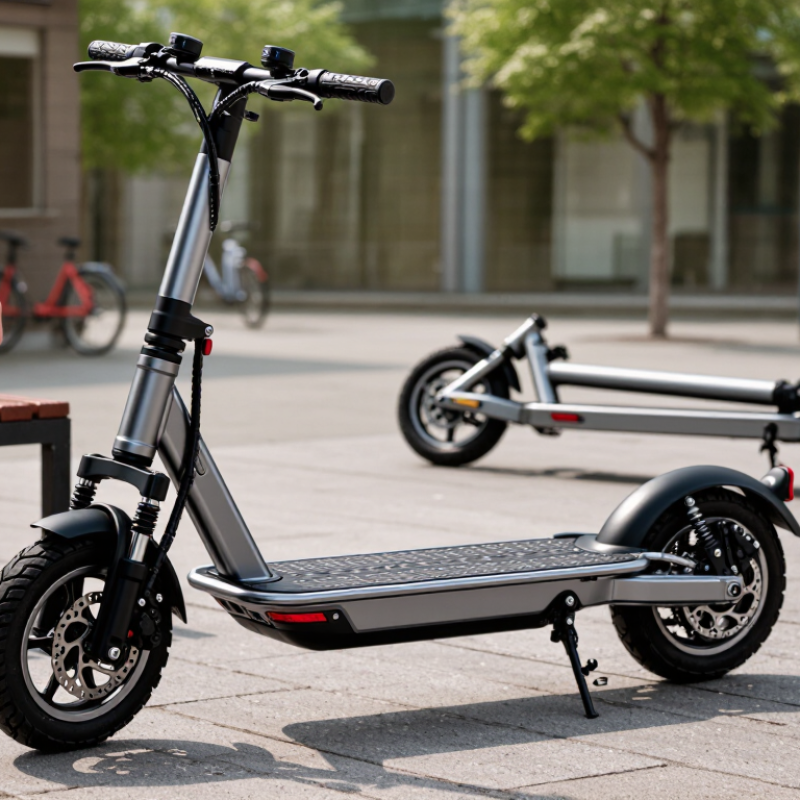
A collapsible scooter is a compact mobility device designed to fold for transport and storage. Unlike a standing kick scooter, it usually has a seat, handlebars, a stable base, and rechargeable power. Some models fit a car trunk, though “foldable” does not always mean lightweight. A 12-kilogram frame feels manageable in a showroom, but awkward beside a staircase.
Who needs one? It can help older adults, people recovering from injury, or users with limited walking endurance. The World Health Organization estimates that 1.3 billion people experience significant disability worldwide, or about 16% of the population (WHO, Global Report on Health Equity for Persons with Disabilities, 2022). In the United States, the CDC reports that about one in four adults has a disability (CDC, Disability and Health Data System, 2023). These figures do not mean everyone needs a scooter. Need depends on distance, balance, pain, and daily surroundings.
Measure the real routine. Can the user rise safely from the seat? Can they control the tiller with tired hands? Check folded dimensions, total weight, turning space, battery range, and charging time. The claimed range may shrink on hills, cold days, or rough pavement. That matters. A professional assessment from an occupational therapist can reveal problems that online specifications miss. I would also test the scooter over door thresholds and uneven paths. A perfect fold is useless if lifting it causes strain.
When choosing a collapsible scooter in 2026, daily comfort matters more than a crowded feature list. Measure the folded frame against your car trunk, office corner, or train luggage space. A carry handle helps, but balance matters too. A scooter that feels light on paper may become awkward after a ten-minute walk. Test the folding latch several times. It should lock firmly and release without pinched fingers. Small details matter.
For everyday travel, prioritize stable steering, responsive brakes, and solid tires or well-supported pneumatic tires. Wider handlebars can improve control on rough pavement, while a grippy deck reduces foot movement during sudden stops. Look for front and rear lights, a clear battery display, and a bell that remains usable with gloves. Range claims need caution. Cold weather, hills, rider weight, and frequent stops can reduce real distance. Leave a generous reserve.
Charging time also affects routine. A removable battery can help apartment users, but it adds weight and another part to inspect. Check whether replacement tires, brake parts, and chargers are readily available through authorized service channels. I once focused too much on top speed. The mistake became obvious after a week of cracked sidewalks. A short test ride is useful, yet one ride cannot reveal long-term fatigue. Consider storage, maintenance, and your actual route before paying for features you may rarely use.
The priority index is a practical comparison score from 0 to 10, based on how directly each feature affects everyday transportation, storage, charging, and safe operation. For most users, battery range, portability, and folded dimensions deserve the greatest attention before purchase.
Choosing a collapsible scooter in 2026 requires more than checking its folded size. Portability depends on weight, carrying shape, wheel placement, and folding speed. A scooter may fit a car trunk but still feel awkward on stairs.
During hands-on testing, I carry each model for at least two minutes. That reveals problems hidden in product measurements. A comfortable handle, balanced frame, and secure latch matter greatly. Small details matter. Around 12 to 18 kilograms often feels manageable for short transfers, but heavier models can become tiring quickly. Very light scooters may sacrifice stability, battery capacity, or riding comfort. Check the stated load limit carefully, including clothing, bags, and accessories.
Folding mechanisms deserve close attention. A one-step lever saves time, yet it must lock firmly without excessive force. Multi-step systems may take longer, but they can offer better control and fewer accidental releases. I prefer testing the mechanism repeatedly with dry hands and gloves. Listen for unusual clicks, inspect hinge movement, and confirm that cables stay clear during folding. My early assumption was that the smallest folded scooter would be the best choice. It was not. The narrow frame was harder to lift, and the latch required awkward pressure. This reminded me to compare real handling, not just specifications. Before purchasing, measure your storage space, doorway width, and lifting route. A practical scooter should fold reliably and remain comfortable to move.
A collapsible scooter should feel predictable, not merely compact. Check the folding latch for a clear lock and test it several times before riding. There should be no sharp edges, loose cables, or movement around the steering column. Wider tires, bright front and rear lights, and a dependable brake lever matter more than a sleek appearance. Wear a helmet, and practice folding and unfolding it away from traffic. Small details become serious on wet pavement.
Evaluate performance with your actual routes in mind. A short test ride should include a hill, a rough patch, and a controlled stop. Notice whether acceleration feels smooth or jerky, especially when starting beside pedestrians. Compare the scooter’s claimed load limit with your weight, clothing, and carried items. Suspension can improve comfort, but it may add weight and maintenance. A heavier scooter is harder to carry upstairs. That trade-off is easy to underestimate.
Battery range needs a cautious calculation. Manufacturers often measure it under light loads, moderate speeds, and mild temperatures. Real distance can drop with hills, cold weather, frequent stops, or underinflated tires. Choose a model whose stated range comfortably exceeds your daily trip, rather than matching it exactly. Check charging time, battery replacement access, and protection from overcharging. Keep the charger dry and inspect its cable regularly. I would record range during the first week, though one week may not reveal winter performance. Also verify local rules for speed, lighting, and sidewalk use before purchase.
Your budget should include more than the checkout price. Add a certified charger, helmet, lock, maintenance, and possible battery replacement. Small costs accumulate. The Federal Highway Administration’s National Household Travel Survey reports that nearly half of daily trips are three miles or shorter. For short commutes, a lighter scooter with modest range may be more practical than an expensive long-range model. Check its folded height carefully. It must fit beside your desk, under a train seat, or inside a car trunk. I once underestimated folding size, and the scooter became awkward to carry upstairs.
Your lifestyle should determine the motor, tires, and battery reserve. Flat city streets favor smaller wheels and lower weight. Steep routes, rough pavement, or frequent rain require stronger braking, better suspension, and suitable water-resistance information. Treat advertised range as an estimate, not a promise. Cold weather, hills, rider weight, and frequent acceleration reduce real distance. Keep at least 20 percent battery reserve for unexpected delays. It is inconvenient, but safer.
NACTO’s 2023 shared micromobility report recorded 157 million trips in the United States, showing strong demand for compact urban travel. However, shared-use data cannot predict your personal experience. Compare independent test results, warranty terms, repair access, and electrical safety certification. A cheaper model may be sensible for occasional three-mile trips. A daily commuter may need stronger hinges, replaceable tires, and a more durable battery system. Specifications can look impressive. Your staircase cannot be fooled.
Portability depends on weight, balance, wheel placement, and folding shape. A scooter may fit a trunk but feel awkward on stairs. Test carrying it for two minutes. A comfortable handle and balanced frame help greatly.
Around 12 to 18 kilograms often feels manageable for brief carrying. Heavier models can become tiring quickly. Very light models may sacrifice stability, battery capacity, or comfort. Remember your bags and clothing when checking the load limit.
Fold and unfold it repeatedly with dry hands and gloves. Check that the latch locks clearly without excessive force. Listen for strange clicks and inspect hinge movement. The smallest folded scooter is not always the easiest to carry.
Look for a secure latch, steady steering, clear cables, and smooth brake operation. Wider tires and bright front and rear lights can improve visibility. Avoid sharp edges or movement around the steering column. Small details matter.
Test the scooter on a hill, rough pavement, and a controlled stop. Notice whether acceleration feels smooth or jerky. Compare the load limit with your body weight and carried items. Suspension may improve comfort, but it adds weight and maintenance.
Treat the stated range as an estimate, not a promise. Hills, cold weather, frequent stops, and soft tires reduce distance. Choose a model with more range than your normal daily trip. Keep at least 20 percent battery reserve.
Include a certified charger, helmet, lock, maintenance, and possible battery replacement. A cheaper scooter may suit occasional short trips. Daily commuting may require stronger hinges, replaceable tires, and a durable battery system. Small costs accumulate.
Flat city routes may suit smaller wheels and lighter construction. Steep roads or rough pavement require stronger braking and suitable suspension. Frequent rain makes water-resistance information important. I once underestimated folded height. The staircase disagreed.
Choosing a Collapsible Scooter in 2026 starts with understanding your daily mobility needs. These scooters are designed for people who value convenient transportation, easy storage, and greater independence, especially commuters, travelers, older adults, and users with limited mobility. When comparing models, consider practical features such as seat comfort, handlebar adjustment, control layout, storage space, lighting, and ease of maintenance. A lightweight frame and a simple, reliable folding mechanism can make a major difference when lifting the scooter into a vehicle or storing it at home.
Safety and performance should also guide your decision. Check braking response, tire stability, suspension, visibility features, maximum range, charging time, and performance on the surfaces you commonly use. Finally, match the scooter’s weight capacity, dimensions, and capabilities with your budget and lifestyle. The best choice is not necessarily the most powerful model, but the one that offers a balanced combination of portability, comfort, safety, battery efficiency, and dependable everyday performance.

Aiweda