7 Tips for Choosing an Enclosed Electric Trike?

Time:2026-11-20 Author:Madeline
0%

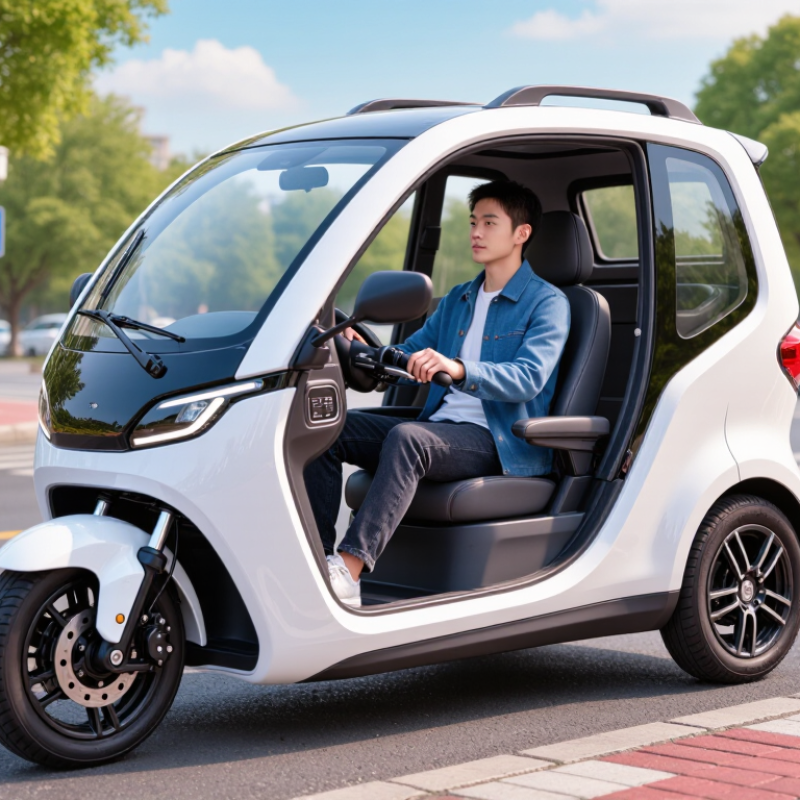
An Enclosed Electric Trike can make daily trips more comfortable, especially when rain, wind, or carrying needs make an open trike less practical. Yet a covered cabin is not automatically safer, roomier, or easier to handle. Buyers should compare the complete vehicle, not just its roof and doors.

The International Energy Agency’s Global EV Outlook 2024 reports nearly 14 million electric cars sold worldwide in 2023. That figure shows the scale of electric mobility, but it is not a trike-market statistic. In the United States, NHTSA’s 2022 Traffic Safety Facts reports 1,105 bicyclist deaths. This is not a direct measure of enclosed-trike risk, but it underlines why visibility, braking, and stable handling deserve close attention. Check the exact model’s specifications and test it in conditions resembling your daily route.

Small details matter. Can you enter without twisting? Do mirrors show traffic behind the wider body? Does the battery have a clear range rating under stated conditions? A polished cabin can still feel cramped. And claimed range may shrink in cold weather, on hills, or with heavy loads. There is no perfect model. These seven tips will help you weigh fit, safety equipment, range, charging, weather protection, service support, and total cost—then spot the compromises that matter most to your routine.
7 Tips for Choosing an Enclosed Electric Trike?

Define Your Riding Needs and Typical Routes

Before comparing enclosed electric trikes, define what you expect to carry and how far you usually travel. A short grocery run has different demands from a daily commute with a child or work equipment. Note the weight of your usual load, how often you stop, and whether you need room for bags beside the seat. Small details matter.

Tips: Map one familiar route, including its steepest hill, roughest patch, and narrowest entrance. Check distances between stops and places where you could safely park. A route that looks easy on a screen may feel different with a loaded trike.

Pay attention to surface and weather, not just mileage. Wet leaves, loose gravel, and sharp turns can affect comfort and control.

Measure your garage doorway and storage space; an enclosed body may need more room than expected. If your route includes busy roads, consider sightlines and whether the cabin makes hand signals harder to notice.

I would not choose based on the longest advertised range alone. Real range can vary with hills, cargo, temperature, and frequent starts. Even a familiar route deserves a second look.

Assess the Enclosure, Visibility, and Weather Protection

An enclosed electric trike should feel protective without turning its cabin into a visual blind spot. Sit in the seat and check the view through the windscreen, side panels, and rear opening. Look for thick frame posts, gaps in the wiper sweep, fogging, and reflections from a pale dashboard. Small details matter. A parked car or pedestrian should remain visible when you turn your head, not only in a mirror. NHTSA recorded 1,105 bicyclist deaths in the United States in 2022. That figure covers bicyclists broadly, not enclosed trikes, but it reinforces the importance of visibility.

Check the lights from the rider’s eye level, too. Make sure front and rear lamps remain visible with doors, cargo, or rain covers fitted. Inspect seals around doors, roof joints, and cable openings for gaps or trapped moisture. Ask whether vents clear breath fog while keeping rain out. The Federal Highway Administration estimates about 1.2 million weather-related crashes annually, based on 2007–2016 data. The figure is not trike-specific, but it highlights the need for clear sightlines in wet weather. A dry cabin helps. Still, no enclosure removes the need to slow down on slick pavement. A showroom check may miss things; inspect in dim light and, if possible, after rain.

Compare Motor Power, Battery Range, and Charging Options

7 Tips for Choosing an Enclosed Electric Trike?
Compare Motor Power, Battery Range, and Charging Options

Tip 1: Match motor power to your route. A flat commute with light cargo may need less assistance than steep streets or frequent stops. Check the motor’s rated output and ask how the trike behaves on hills when carrying its expected load. More power can help, but it may also use energy faster. Test it with realistic cargo if possible.

Tip 2: Judge range by battery capacity and your daily conditions. Compare watt-hours, not just a quoted maximum distance. Cold weather, hills, tire pressure, rider weight, and frequent acceleration can all reduce range. That matters. Leave a buffer for detours rather than planning to arrive with an almost empty battery. Published figures are useful, but they are not guarantees.

Tip 3: Check charging before you buy. Confirm how long a full charge takes, whether the battery can be removed, and if it fits your usual charging space. A removable battery is handy when the trike stays outside, though carrying one may feel awkward. Plan for pauses. Read the charging and storage instructions, and verify that the charger suits your home setup. This detail is easy to overlook, and I would reconsider any choice that makes everyday charging a chore.

7 Tips for Choosing an Enclosed Electric Trike: Compare Motor Power, Battery Range, and Charging Options

Tip What to Check Useful Comparison Point Why It Matters
1. Compare motor ratings carefully Check the motor’s continuous (rated) power, not just a peak-power figure. For many utility-style electric trikes, rated motors around 500–750 W are a common comparison range. Confirm local power limits before buying. Rated power is more useful for comparing sustained assistance. Hills, rider and cargo weight, and vehicle design also affect performance.
2. Compare battery capacity in watt-hours Look for the battery’s voltage and amp-hour rating, then compare watt-hours (Wh). Watt-hours = volts × amp-hours. For example, a 48 V, 15 Ah battery stores about 720 Wh; a 48 V, 20 Ah battery stores about 960 Wh. Wh provides a more direct capacity comparison than amp-hours alone, which cannot be compared fairly across different voltages.
3. Treat advertised range as an estimate Ask what test conditions support the stated range and whether the figure assumes pedal assistance, a light load, and flat ground. As a rough planning example, 720 Wh divided by energy use of 20–35 Wh per mile gives approximately 21–36 miles before real-world adjustments. Speed, hills, temperature, tire pressure, payload, stop-start riding, and use of accessories can reduce actual range.
4. Check charging time and charger compatibility Confirm the charger’s output current, the battery’s required charging voltage, connector type, and whether the battery can be removed. A 48 V lithium-ion battery commonly charges to 54.6 V. A compatible 2 A charger will generally take longer than a compatible 4 A charger; allow extra time for the final charging stage. Use only a charger approved for the specific battery chemistry and voltage. Never assume a connector that fits is electrically compatible.
5. Match payload capacity to your needs Check the stated maximum payload and whether it includes the rider, passengers, and cargo. Compare the manufacturer’s rated payload with your expected total load, leaving a reasonable margin rather than buying at the limit. More load can affect braking distance, handling, hill-climbing ability, and battery range. Do not exceed the stated limit.
6. Evaluate brakes, stability, and visibility Inspect the braking system, parking brake, tire condition, lighting, reflectors, and the trike’s turning behavior. Look for clearly specified brakes and lighting, and test low-speed turns and stops in a safe area before regular use. Enclosed trikes can be heavier and wider than bicycles. Careful cornering and dependable braking are important, especially with a full load.
7. Assess the enclosure and service access Check ventilation, visibility, entry and exit, weather protection, and access to the battery and electrical components. Ask whether windows or vents can be opened and whether routine battery charging can be done safely and conveniently. An enclosure may improve comfort in some conditions, but it can affect airflow, visibility, storage, and maintenance. Confirm that parts and service are available locally.

Note: The figures above are general comparison examples, not guarantees or specifications for a particular vehicle. Actual performance varies by model, riding conditions, battery age, and load.

Check Seating, Storage, Accessibility, and Overall Fit

An enclosed electric trike should fit the rider, not just the garage. Check seat height, back support, legroom, and knee clearance. Can you enter and exit without twisting sharply? Try it in your usual shoes and jacket.

AARP’s 2024 Home and Community Preferences survey found that 75% of adults aged 50 and older want to remain in their homes as long as possible. That finding is not about trikes, but it highlights why everyday access deserves attention.

Tips: Sit for several minutes and reach every control. Open the door fully, then practise getting in and out. Check whether a walking aid can come along, if needed. A roomy cabin can still feel awkward. Don’t ignore that.

For storage, bring the items you expect to carry: a grocery bag, folded walker, or work tote. Ask for the cargo limit and measure the storage space; advertised capacity can be hard to picture. Also check turning space, step-over height, visibility, and whether the trike fits through your doorway.

The Federal Highway Administration’s 2022 National Household Travel Survey found that about 52% of U.S. trips were three miles or less. For short errands, easy loading and comfortable seating may matter as much as range. Test the trike on a familiar route before deciding. A brief ride may not reveal every fit problem.

Review Safety Features, Service Support, and Total Cost

An enclosed electric trike can feel secure, but the shell is only one part of its safety. Check how easily you can see through the windshield and side windows, especially in rain or low light. Look for bright lights, clear turn signals, mirrors with a useful field of view, and brakes that feel predictable during a test ride. Small details matter. Try the doors and latches yourself; a stiff latch may become frustrating when you are carrying groceries.

Ask how service is handled before you buy. Find out whether trained technicians are nearby, which parts they stock, and how long common repairs usually take. Battery and electrical-system support deserve specific answers, not a vague promise of help. Request the maintenance schedule and warranty terms in writing. A test ride can reveal rattles or awkward controls, but it cannot tell you how quickly a replacement part will arrive.

Compare the total cost, not only the advertised price. Include charging, routine inspections, tires, brake work, battery replacement, and any delivery or setup fees. Ask how battery range changes in cold weather or with hills, passengers, and cargo; real use can differ from a neat estimate. It is easy to focus on the monthly payment and miss later costs. Some estimates may still be uncertain, so leave room in your budget for repairs.

FAQS

How can I check visibility inside an enclosed electric trike?

Sit in the seat and look through the windscreen, side panels, and rear opening. Check thick frame posts, reflections, fogging, and gaps in the wiper sweep. A parked car should stay visible when you turn your head. Small details matter.

What should I inspect for weather protection?

Look for gaps or trapped moisture around door seals, roof joints, and cable openings. Ask whether vents clear breath fog while keeping rain out. If possible, inspect the cabin after rain. A dry cabin helps, but slick pavement still calls for slower riding.

Are the lights easy to see with doors or cargo fitted?

Check the front and rear lamps from your seated eye level. Make sure doors, cargo, and rain covers do not block them. Try checking in dim light, too.

How do I know whether the seat and cabin fit me?

Sit for several minutes and reach every control. Check seat height, back support, legroom, and knee clearance. Try your usual shoes and jacket. A roomy cabin can still feel awkward.

What should I test before deciding whether entry is easy?

Open the door fully and practise getting in and out. Notice whether you must twist sharply or step over a high sill. Bring any walking aid you may use. Not always easy.

How can I check whether the storage space is practical?

Bring a grocery bag, folded walker, or work tote. Load it and check how easily it fits. Ask for the cargo limit and measure the space; advertised capacity can be hard to picture.

Should I check whether the trike fits at home?

Measure doorways and turning space before choosing. Check step-over height and whether you can park it where needed. I might overlook this in a showroom, but a tight doorway changes everything.

Is a short test ride enough to judge comfort and handling?

Try a familiar route and notice seating, visibility, and loading. About 52% of U.S. trips are three miles or less, so short errands matter. A brief ride may still miss fit problems.

Conclusion

Choosing an Enclosed Electric Trike starts with understanding where and how you plan to ride. Consider your typical routes, trip length, road surfaces, and parking needs. Then assess the enclosure: clear visibility, easy entry and exit, ventilation, and protection from rain, wind, and cold can all affect everyday comfort and confidence.

Compare motor power, battery range, and charging options against your usual distances and terrain, allowing for conditions that may reduce range. Check that the seat, controls, storage, and overall dimensions suit your body and daily cargo. Finally, review practical safety features, the availability of maintenance and service support, and the full cost of ownership, including upkeep and battery replacement. Comparing these factors helps you choose a trike that fits your routine rather than paying for features you may not need.


Madeline

Madeline

Madeline is a dedicated marketing professional with a wealth of expertise in our company's core offerings. With a keen understanding of the industry, she brings a unique perspective to her role, consistently delivering high-quality content that highlights the superior aspects of our products. As......