Choosing an Electric Trike Motorcycle is not only about comparing prices. A useful review looks at the frame, motor, battery capacity, braking system, payload, and after-sales support. China has a broad network of electric vehicle makers, but their experience and product focus can differ considerably. Some specialize in passenger trikes, while others build cargo models with rear boxes, steel platforms, or weather canopies. A polished product photo tells only part of the story. Details matter. Buyers should ask for current specifications, component information, warranty terms, production capacity, and evidence of quality-control procedures. That takes time.
This guide introduces ten manufacturers for readers comparing China-based suppliers. It considers product range, manufacturing capabilities, customization options, export experience, and the clarity of available company information. These factors can help narrow a shortlist, yet they do not replace factory checks or sample testing. Before making a decision, confirm load ratings, battery data, replacement-part access, and service arrangements in writing. Where details are not publicly clear, that uncertainty should be treated as a question, not a promise. Rankings can also shift as product lines and business conditions change. A careful comparison is more useful than a confident claim with no supporting evidence. The aim is practical: identify suppliers worth further evaluation and make the next inquiry more focused.
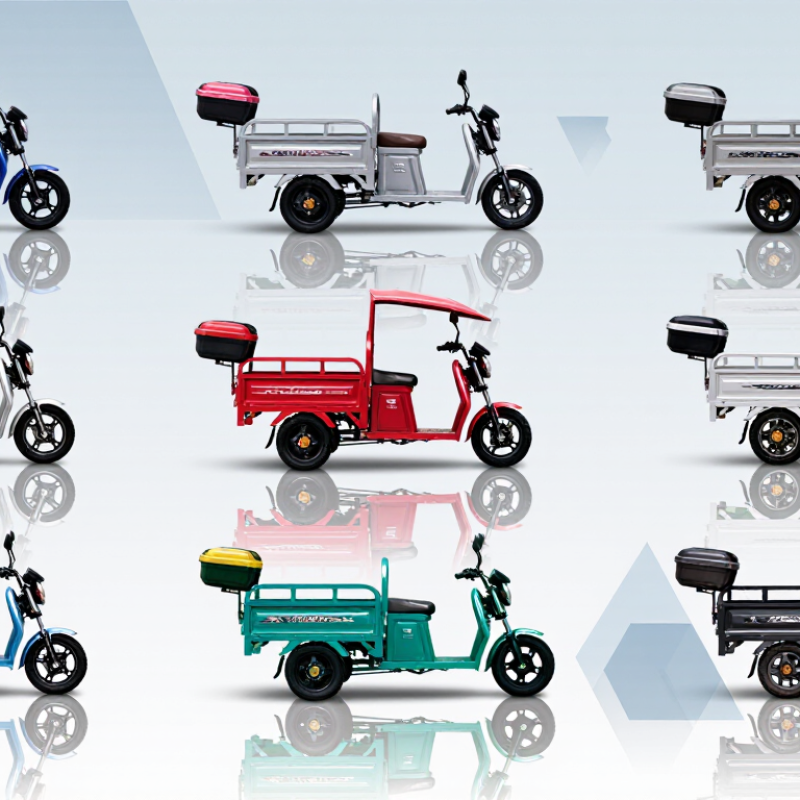
An electric trike motorcycle uses an electric motor and battery to drive a three-wheeled, motorcycle-style vehicle. It usually has handlebars, a saddle, and footrests, though layouts vary. The third wheel adds a different balance feel; it does not make every model equally stable. Check the frame, tires, brakes, and battery placement as one system.
Two common layouts are delta and tadpole. Delta designs have one front wheel and two rear wheels. They often offer room for a wide cargo deck or passenger seat. Tadpole designs place two wheels at the front and one at the rear. Their paired front tires can provide a planted feel through turns. These are broad categories, not guarantees of handling. Some trikes are built for carrying goods, while others prioritize rider comfort or longer trips. The labels can be confusing, and real-world use matters more than a name.
Tip: Sit on the trike and check reach to the bars, seat height, and turning space. Ask about rated load, range under your expected weight, and charging time. A short test ride helps reveal awkward steering or a stiff ride. Small details count. And some specifications need a second look.
| No. | Electric Trike Type | Typical Wheel Layout | Common Configuration | Typical Intended Use | Key Design Consideration | Indicative Range and Speed |
|---|---|---|---|---|---|---|
| 1 | Rear two-wheel cargo trike | One front wheel, two rear wheels | Front steering wheel with a rear cargo platform or box | Local deliveries, market transport, and light commercial work | Payload rating, frame strength, braking, and load stability | Highly specification-dependent; range and speed vary with load, battery, terrain, and local regulations. |
| 2 | Front two-wheel cargo trike | Two front wheels, one rear wheel | Forward cargo box between the front wheels | Urban delivery and short-distance goods transport | Front-end steering geometry and stability while turning or carrying a load | Highly specification-dependent; check the rated payload and manufacturer test conditions. |
| 3 | Passenger bench trike | One front wheel, two rear wheels | Rear passenger bench, usually with a canopy or weather cover | Short local passenger trips and community transport | Passenger capacity, seat restraints where fitted, and effective braking under load | Varies by vehicle class, battery capacity, passenger load, and applicable road rules. |
| 4 | Enclosed cabin trike | Usually one front wheel, two rear wheels | Three-wheel chassis with an enclosed or partially enclosed cabin | Local passenger transport and weather-protected commuting | Cabin weight, visibility, ventilation, occupant protection, and homologation | Model-specific; enclosed bodywork and added weight can affect energy use and range. |
| 5 | Side-by-side front-wheel trike | Two front wheels, one rear wheel | Two front wheels with a motorcycle-style rear section | Personal mobility and recreational road use | Suspension, steering feel, tire grip, and stability on uneven surfaces | Depends on motor output, battery, gearing, rider load, and the vehicle's approved category. |
| 6 | Reverse-trike configuration | Two front wheels, one rear wheel | Wide front track with one driven rear wheel | Personal transport and leisure riding | Front track width, cornering behavior, and appropriate rider training | Varies widely; advertised figures should be checked against a stated test cycle and conditions. |
| 7 | Recreational touring trike | One front wheel, two rear wheels | Motorcycle-style riding position with a broad rear axle | Leisure riding and longer paved-road trips | Ride comfort, battery capacity, charging access, and high-speed stability | Configuration-specific; sustained speed and range depend on terrain, rider weight, and weather. |
| 8 | Utility flatbed trike | One front wheel, two rear wheels | Open rear platform designed for bulky or irregular loads | Farm, campus, warehouse, and workshop transport | Load distribution, tie-down points, ground clearance, and low-speed control | Depends strongly on payload and route; compare rated load with the intended duty cycle. |
| 9 | Mobility-oriented trike | Commonly one front wheel, two rear wheels | Low step-through frame, supportive seating, and accessible controls | Personal mobility and short local journeys | Ease of mounting, turning space, parking brake, and accessible control layout | Model-specific; suitability depends on the rider's needs and the vehicle's certified use. |
| 10 | Compact urban delivery trike | Either one-front/two-rear or two-front/one-rear | Compact chassis with a small lockable cargo compartment | Neighborhood deliveries and constrained urban routes | Overall width, maneuverability, braking, and secure cargo capacity | Varies by battery and payload; real-world range is generally affected by frequent stops and starts. |
| Definition and data note: An electric trike motorcycle is a powered three-wheeled vehicle propelled wholly or partly by an electric motor. Its legal classification, licensing requirements, permitted road use, and safety standards depend on the jurisdiction and vehicle specifications. The entries above describe general design types, not ranked manufacturers or verified product specifications. Range and speed are intentionally not stated as universal figures because they vary by model, battery, load, test method, and local regulations. | ||||||
It is a three-wheeled, motorcycle-style vehicle powered by an electric motor and battery. It often has handlebars, a saddle, and footrests.
A delta layout has one front wheel and two rear wheels. A tadpole layout has two front wheels and one rear wheel.
Not automatically. Stability depends on the frame, tires, brakes, battery placement, and handling. A test ride helps.
Delta designs often have space for a wide cargo deck. Check the rated load and loading height, not just the layout name.
Sit on it and check handlebar reach, seat height, and turning space. Ask about range with your expected load and charging time.
Cargo models may have reinforced frame joints and a low loading height. Passenger models may offer a broad bench and guarded footrests.
Compare rated load, braking performance, battery service terms, and replacement-part lead times. Ask for written specifications.
Inspect a sample when possible, including welds and wiring. A brochure cannot show everything. Some details may still be unclear.
This article explains what an Electric Trike Motorcycle is and outlines its main forms, from passenger-oriented models to cargo-focused designs. It also describes how China’s electric trike industry can be evaluated, considering factors such as product range, manufacturing capabilities, design priorities, and intended markets. Rather than treating all manufacturers as alike, the article offers a structured overview of ten notable Chinese manufacturers and the kinds of strengths a buyer might assess.
It compares how manufacturers may differ in vehicle configuration, production scale, customization, and market focus. The final section presents practical considerations for choosing a supplier, including product suitability, quality control, technical support, communication, and long-term service. Together, these topics give readers a clear framework for understanding the market and comparing manufacturers according to their own needs.

 Aiweda