In the evolving landscape of sustainable transportation, Cargo Ebikes are gaining significant traction. Industry expert Dr. Mei Liu, a renowned advocate for eco-friendly mobility, emphasizes, "Cargo Ebikes will redefine urban transport in the coming years." This statement underscores the growing importance of these vehicles not only for deliveries but also for reducing urban congestion and emissions.
As the demand for efficient logistics solutions increases, Cargo Ebikes offer a versatile option for businesses and individuals. Their ability to transport goods swiftly through crowded city streets appeals to global buyers. Yet, the market is still maturing, requiring consumers to navigate various options carefully. Despite their potential, some users find challenges in battery life and load capacity management.
Looking ahead to 2026, innovation will be critical. Manufacturers must address these hurdles to enhance Cargo Ebikes' reliability. Building a strong ecosystem around them will involve improving infrastructure and support systems. The future may be bright, but there is room for reflection on how to better serve diverse needs within this promising sector.
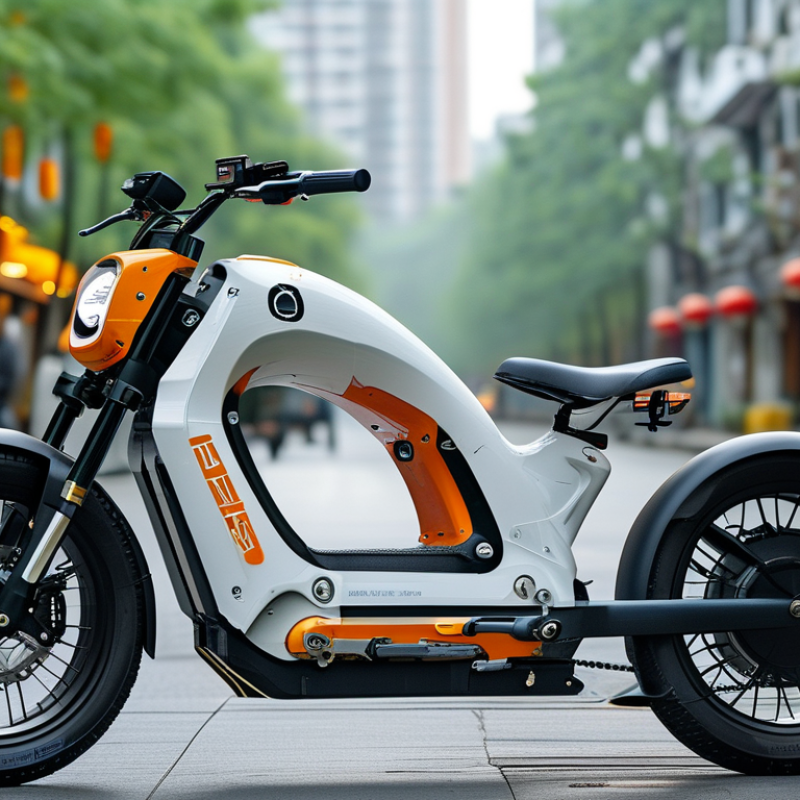
Top Cargo Ebikes in China for Global Buyers 2026: Overview of the Market
The cargo e-bike market in China is witnessing significant growth, driven by urbanization and an increasing focus on sustainable transport solutions. According to a report by ResearchAndMarkets, the cargo e-bike segment is expected to grow at a compound annual growth rate (CAGR) of over 20% between 2021 and 2026. This surge indicates a rising adoption of e-bikes for last-mile deliveries and urban commuting.
Chinese manufacturers are innovating to meet diverse needs. The demand for cargo e-bikes has been particularly strong among logistics companies. A survey conducted by the China Bicycle Association revealed that 70% of logistics providers are integrating e-bikes into their fleets. This integration is not without challenges. For instance, improving battery life and load capacity remains a focus area. Additionally, safety regulations and infrastructure can hinder widespread adoption.
Despite these obstacles, the benefits of cargo e-bikes are clear. They reduce operating costs and carbon emissions effectively. A recent study highlighted that delivery operations using cargo e-bikes can cut emissions by up to 50%. As cities adapt their infrastructure, the cargo e-bike sector in China is poised for exciting developments in the coming years.
Market Trends Influencing Cargo Ebikes Demand in China
Cargo ebikes are gaining traction in China, driven by urbanization and changing lifestyles. The demand for efficient transportation solutions is skyrocketing, especially in bustling cities. Consumers increasingly seek eco-friendly options. Cargo ebikes offer a sustainable alternative to traditional vehicles, reducing emissions and congestion.
The rise of e-commerce is another significant factor influencing this market. As online shopping thrives, the need for reliable delivery systems grows. Cargo ebikes provide a nimble solution for last-mile deliveries. Businesses appreciate their ability to navigate tight spaces and avoid traffic. However, challenges remain. The infrastructure for ebikes, including charging stations, is still developing in some areas.
Additionally, fluctuating regulations impact the market's growth. As cities implement new traffic laws, manufacturers must adapt. Compliance with safety standards is crucial for consumer trust. There is also a growing recognition of the need for community education about cargo ebikes. Misunderstandings about their use can hinder wider adoption. Hence, ongoing dialogue between stakeholders is essential for addressing these complexities.
Top Cargo Ebikes in China for Global Buyers 2026
| Model |
Max Load Capacity (kg) |
Range (km) |
Battery Type |
Price (USD) |
Key Features |
| Cargo Rider X1 |
160 |
80 |
Lithium-ion |
1200 |
Hydraulic brakes, LED display |
| HeavyLoad Pro |
200 |
90 |
Lithium-polymer |
1500 |
Cargo platform, GPS tracking |
| CityCargo E3 |
120 |
70 |
Lithium-ion |
950 |
Removable battery, theft protection |
| EcoCargo X2 |
140 |
75 |
Lithium-ion |
1100 |
Lightweight frame, quick charge |
| ProCargo E5 |
180 |
85 |
Lithium-polymer |
1350 |
Smart connectivity, comfortable seat |
Key Manufacturers and Their Innovations in Electric Cargo Bikes
In recent years, the electric cargo bike market in China has seen remarkable growth. Key manufacturers are pushing the boundaries of innovation. They are developing bikes that are not only efficient but also environmentally friendly. Features like increased cargo space and advanced battery technology are becoming standard. These bikes can handle heavy loads with ease, making them suitable for various applications.
Many manufacturers are focusing on user experience. Smart technology integration is a significant trend. Features like GPS tracking and smartphone connectivity enhance usability. Some models also incorporate advanced safety features to protect both riders and cargo. However, not all innovations are flawless. Some users report issues with battery life and weight distribution. This highlights the need for ongoing improvements and user feedback.
Aesthetic design is another area of innovation. Cargo bikes are evolving to offer more style while retaining functionality. Vibrant colors and customizable options appeal to a wider audience. However, some designs may sacrifice practicality for appearance. This area merits further exploration as the market expands. The future of electric cargo bikes in China looks promising, driven by innovation and consumer demands.
Comparative Analysis of Sales Growth in the Chinese Cargo Ebike Sector
The Chinese cargo ebike sector is witnessing noteworthy growth as global demand escalates. According to a recent report by ResearchAndMarkets, the market is projected to expand at a compound annual growth rate (CAGR) of 15% through 2026. This surge can be attributed to the increasing popularity of green logistics and urban delivery solutions. Cities are adapting to the challenges posed by congestion and pollution by embracing efficient cargo ebike solutions.
Sales data shows a remarkable uptick in both production and sales within the last few years. In 2022, sales increased by 30% compared to the previous year, as businesses seek sustainable alternatives. The report indicates that urban areas account for 70% of cargo ebike purchases, showcasing their essential role in last-mile delivery services. However, there remain challenges. Issues such as battery recycling and regulatory frameworks need careful consideration. Many companies are innovating yet face hurdles in technology integration and infrastructure support.
Market participants emphasize the need for continual adaptation. As demand shifts, manufacturers must align their strategies with consumer preferences. Insights reveal a growing interest in smart technologies and enhanced battery life. While the growth of the sector is promising, it also requires reflection on sustainability, accessibility, and long-term viability.
Impact of Government Policies on Cargo Ebike Adoption and Expansion
Government policies play a crucial role in the adoption of cargo ebikes in China. Recent initiatives aim to reduce pollution and traffic congestion. Cities are implementing subsidies for electric bikes, encouraging both individuals and businesses to choose eco-friendly options. These financial incentives can significantly impact purchasing decisions. Policies that promote infrastructure development, such as dedicated bike lanes and parking, further enhance the appeal.
Challenges remain despite positive policies. Some regions lack comprehensive regulations governing cargo ebikes. Confusion over legal usage and safety standards can deter potential users. Moreover, infrastructure may not be fully developed to support increased use. Buyers often express concerns regarding battery life and maintenance. Continuous government involvement is essential to address these issues, ensuring a smooth transition towards greater cargo ebike acceptance.
Local governments are testing various approaches. Some are experimenting with pilot programs to gauge implementation effectiveness. These trials provide valuable data but also showcase existing gaps in public awareness. To maximize benefits, authorities must improve educational outreach. Informing the public about the advantages of cargo ebikes can drive wider acceptance and foster a culture of sustainable transport choices.
Top Cargo Ebikes in China for Global Buyers (2026)
This chart illustrates the projected cargo ebike adoption rates in China influenced by government policies by 2026. The data reflects how supportive measures are expected to drive market growth.
Conclusion
The article "Top Cargo Ebikes in China for Global Buyers 2026" provides a comprehensive overview of the growing market for Cargo Ebikes in China. It explores the current market trends that are driving demand, emphasizing the increasing popularity of electric cargo bikes among consumers seeking eco-friendly transportation solutions. The article also highlights key manufacturers and their innovative approaches to enhancing the performance and functionality of Cargo Ebikes, making them more appealing to diverse customer segments.
Furthermore, the piece includes a comparative analysis of sales growth within the Chinese Cargo Ebike sector, showcasing the significant upward trajectory of this market. It examines how supportive government policies are facilitating the adoption and expansion of Cargo Ebikes, thereby shaping the future landscape of urban mobility. Overall, the article underscores the potential of Cargo Ebikes as a sustainable transport option for both local and global markets.

 Aiweda