Choosing the best China Cargo Trike manufacturer requires more than comparing prices or browsing polished product photos. A reliable supplier should demonstrate engineering experience, stable production, clear specifications, and responsive after-sales support. The right Cargo Trike must match its working environment, whether it serves urban deliveries, farm transport, market distribution, or industrial logistics.
That sounds simple. It is not.
A practical evaluation should examine payload capacity, frame construction, motor output, battery chemistry, braking performance, turning radius, and weather protection. Factory videos can help, but they are not proof. Buyers should request detailed drawings, test records, production samples, and references from comparable customers. A careful factory visit may reveal welding quality, battery storage practices, spare-parts organization, and final inspection procedures.
The strongest manufacturers usually explain limitations instead of promising everything. That matters. A supplier should identify realistic range figures under load, slope, temperature, and road conditions. Certifications and compliance documents also require verification, especially when vehicles cross different markets. Some documents may cover components rather than the complete vehicle, which can create confusion.
This guide compares leading Chinese manufacturers through a practical, evidence-based lens. It considers product quality, customization ability, export experience, manufacturing capacity, warranty terms, and communication reliability. No ranking can fit every buyer. A small distributor may value flexible minimum orders, while a fleet operator may prioritize standardized parts and long-term service.
The final choice should come from verified evidence, not attractive claims. That is where careful judgment begins.
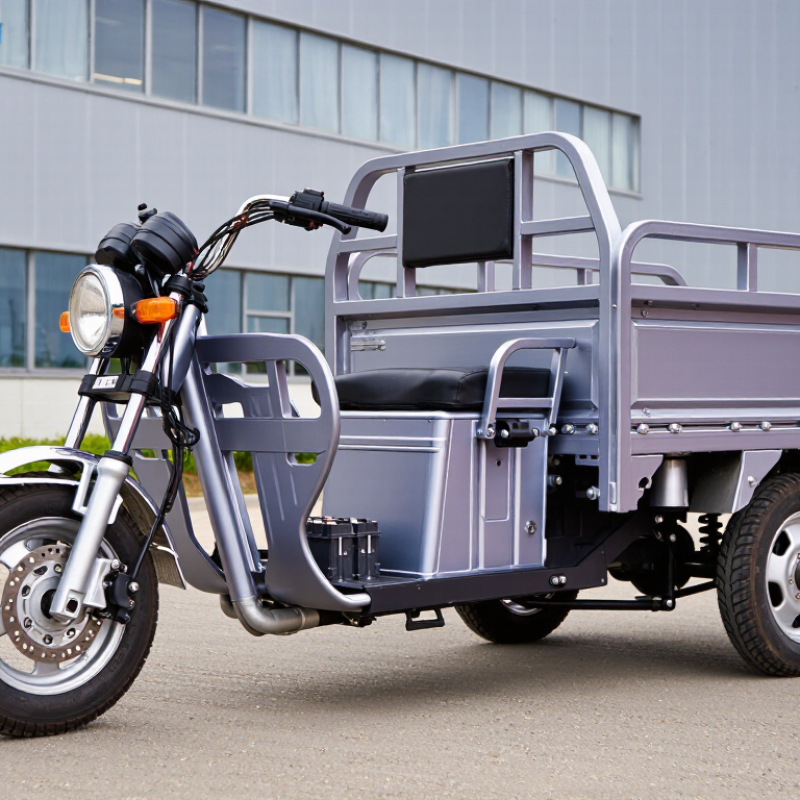
A high-quality China cargo trike manufacturer begins with verified engineering, not attractive showroom photos. The International Energy Agency reported in Global EV Outlook 2024 that electric two- and three-wheeler sales approached 10 million units in 2023. China represented more than 90% of global sales. This scale creates valuable manufacturing experience, but volume alone proves little.
Look for a manufacturer that publishes payload tests, frame fatigue results, braking distances, and battery specifications. A serious factory should provide traceable cells, documented quality inspections, and clear warranty procedures. The battery enclosure should resist rain, vibration, and repeated loading. The frame should remain stable when a box is fully loaded and turned on uneven pavement. Small details matter.
The World Bank’s Logistics Performance Index 2023 emphasizes reliability, service quality, and delivery predictability across supply chains. Those principles also apply to cargo trikes. Ask for production records, spare-parts availability, software support, and inspection photos from finished units. A recognized quality system can help, but certification is not a substitute for testing. I have seen polished samples hide weak welds and inconsistent wiring. That remains an uncomfortable warning. The best manufacturer welcomes independent inspection, shares failure data, and improves designs after real operators report problems.
China cargo trike manufacturers leading the market usually combine practical design with stable production capacity. They build models for city deliveries, farm transport, warehouse work, and small-business logistics. Strong manufacturers offer steel frames, sealed battery compartments, hydraulic brakes, and reinforced rear axles. Their factories also maintain clear quality procedures, from welding inspection to road testing.
Production experience matters. During supplier evaluations, buyers should inspect frame alignment, wiring protection, tire load ratings, and battery placement. A reliable manufacturer can explain motor output, payload limits, charging time, and expected service life without vague promises. Many leading factories support OEM adjustments, including cargo box dimensions, suspension settings, lighting systems, and controller specifications. Export-ready suppliers also provide test reports, manuals, spare-part lists, and consistent packaging.
However, no manufacturer performs perfectly in every category. One factory may offer excellent frames but weaker after-sales communication. Another may customize quickly but need better documentation. That gap matters. Buyers should request sample units, review production records, and test vehicles on slopes, uneven roads, and repeated stop-and-go routes. Look closely. A cargo trike that feels stable when empty may behave differently with 500 kilograms aboard. Market leadership should reflect dependable engineering, transparent communication, and repeatable quality, not only a low quotation.
Which China cargo trike manufacturers lead the market?
China’s cargo trike market covers several practical payload classes. Higher-capacity models are generally designed for logistics, construction, and agricultural transport, while lighter models are more suitable for urban delivery and narrow streets. Payload capacity, battery configuration, range, service support, and compliance are important factors when comparing manufacturers.
Comparing China cargo trike manufacturers requires more than checking online prices. Start with the intended job: market deliveries, farm supplies, or urban transport. A long-wheelbase model may carry more, but it can feel awkward in narrow lanes. A compact trike turns easily, yet its platform often limits bulky loads. Match the rated payload to real cargo weight, not optimistic advertising.
Inspect the frame, welds, tires, braking system, and battery specification. Ask for load-test records, motor details, charging data, and replacement-part availability. Hydraulic brakes can improve control on slopes, while a differential axle may reduce wheel drag during turns. Check the controller’s protection features and the battery’s usable capacity. Test the trike with a full load on rough pavement. Empty-road performance can be misleading.
Compare prices on the same specification sheet. Include shipping, packaging, taxes, spare parts, assembly, and warranty support. A cheaper model may use thinner steel or a smaller battery. That difference appears after repeated trips. Measure twice. Also, supplier claims still need verification through factory videos, sample inspections, and independent testing. I have seen attractive quotations change after basic accessories were added. That is not always dishonest, but it shows why written details matter. Leave room for mistakes, especially when estimating daily range, charging time, and maintenance costs. A dependable manufacturer should answer technical questions clearly and provide consistent documents. The best comparison is practical, documented, and slightly skeptical.
When comparing China cargo trike manufacturers, certification deserves more attention than appearance or quoted capacity. The IEA Global EV Outlook 2024 reports that electric two- and three-wheelers represented about half of global sales in 2023. That growth makes verification more important.
Ask for a current ISO 9001 certificate, issued for the actual factory and production scope. ISO 9001 shows process control, not perfect product quality. Request test reports from laboratories accredited to ISO/IEC 17025. For electric models, check battery testing under IEC 62133-2 and transport testing under UN 38.3. These documents should identify the battery model, test laboratory, date, and report number. A CE mark alone is not enough. It should connect to applicable requirements, such as EN 15194 for qualifying pedal-assisted cycles in Europe. Faster or heavier vehicles may fall under different vehicle rules.
Tips: Match the certificate to the exact model. Check frame serial numbers, rated payload, braking distance, charger protection, and water-resistance claims. Request weld inspection records and a sample load-test video. Then compare the video with the written report. Small inconsistencies matter.
The OECD Due Diligence Guidance stresses traceability and documented supplier controls. Buyers should therefore inspect incoming-battery records and final inspection checklists. One uncomfortable truth: a neat certificate folder can still hide weak welds. I would also ask for failure-rate data, although many factories may not disclose it fully. That gap deserves careful reflection.
Choosing the right China cargo trike supplier requires more than comparing unit prices. According to the IEA Global EV Outlook 2024, global electric three-wheeler sales approached one million units in 2023, with China and India representing major markets. This growth increases supplier choice, but also makes technical screening more important.
Ask for verified specifications, not attractive brochures. Check payload capacity, frame material, brake performance, battery chemistry, motor rating, and controller protection. Request test records for hill climbing, repeated loading, water exposure, and braking distance. Battery shipment documents should include UN 38.3 testing. A factory audit should review production lines, welding quality, spare-parts storage, and final inspection procedures. Photos are not enough.
Look beyond the factory gate. The World Economic Forum has reported that urban last-mile delivery demand could rise sharply by 2030, increasing pressure for efficient, low-emission vehicles. Your supplier should explain service intervals, warranty exclusions, software access, and replacement-part lead times. Ask for three recent customer references in similar operating conditions. A low quote can hide weak batteries or expensive after-sales delays. It happens.
Do not accept every test number immediately. Independent verification is wiser. Some suppliers may provide excellent prototypes but inconsistent production batches. A pre-shipment inspection, written quality agreement, and small pilot order can expose that gap before full procurement.
Start with the intended job, such as market deliveries, farm supplies, or urban transport. A long frame carries more, but narrow lanes may expose its weakness. Compact models turn easily. Their platforms may limit bulky cargo.
Match the rated payload with your real cargo weight. Do not rely on optimistic advertising. Weigh typical loads, including tools and packaging. Then test the trike fully loaded on rough pavement.
Examine the frame, welds, tires, brakes, axle, and platform. Look for uneven weld beads or visible cracks. Hydraulic brakes can improve control on slopes. A differential axle may reduce wheel drag during turns.
Ask for motor output, battery model, usable capacity, charging time, and controller protections. Check overcharge, overcurrent, and overheating protection. Empty-road performance can mislead. Real range changes with hills, cargo, and weather.
Compare models using the same specification sheet. Include shipping, packaging, taxes, spare parts, assembly, and warranty support. A lower price may reflect thinner steel or a smaller battery. Small accessories can quietly change the quotation.
Request a current ISO 9001 certificate for the actual factory and production scope. Ask for laboratory reports from facilities accredited to ISO/IEC 17025. Battery documents may include IEC 62133-2 and UN 38.3 testing.
No. The mark should connect to applicable requirements and the exact model. Qualifying pedal-assisted cycles may involve EN 15194. Faster or heavier vehicles can follow different rules. Check carefully.
Match certificates with the exact model, frame serial number, payload, and battery specification. Request weld records, load-test videos, and final inspection checklists. Compare videos with written reports. Small inconsistencies matter.
Request a sample inspection or independent test. Check replacement-part availability and technical response quality. Ask about failure-rate data, even if the answer is incomplete. A neat certificate folder may still hide weak welds.
Estimate charging, tire replacement, brake wear, spare parts, and service labor. Leave room for mistakes. Daily range and charging time are often less predictable than expected. That uncertainty deserves attention.
Choosing the best China Cargo Trike manufacturer requires more than comparing low prices. A high-quality supplier should demonstrate strong engineering capabilities, durable frame construction, reliable batteries and motors, consistent production processes, and responsive customer service. Buyers should compare models according to payload capacity, range, braking systems, cargo body design, comfort, maintenance needs, customization options, and total ownership cost. Clear product specifications and transparent pricing are essential for making a practical decision.
Before placing an order, buyers should verify relevant certifications, factory quality-control procedures, safety testing, and compliance with the regulations of the destination market. It is also important to evaluate production capacity, delivery schedules, warranty terms, spare-parts availability, inspection support, and communication efficiency. By assessing product performance, documentation, supplier reliability, and after-sales service together, businesses can select a dependable China Cargo Trike partner that offers long-term value rather than simply choosing the cheapest available option.

Aiweda