Choosing the best China Electric Cycle manufacturers requires more than comparing factory prices. Buyers must examine engineering depth, battery safety, production consistency, and after-sales support.
CONEBI’s 2024 European Bicycle Industry and Market Profile reported approximately 5.1 million e-bikes sold across Europe in 2023. That figure confirms strong demand, but it does not identify reliable suppliers. Market reports also disagree because some count electric mopeds, while others include only pedal-assist bicycles. Definitions matter. Grand View Research estimated the global e-bike market at more than 40 billion U.S. dollars in 2023, with continued expansion expected. These figures are useful signals, not guarantees.
Richard Peace, author of The Electric Bicycle Book, describes the riding experience as “like having a tailwind all the time.” That image explains the product’s appeal. Yet a smooth test ride reveals only part of a manufacturer’s capability. A serious evaluation should inspect motor testing, battery-cell traceability, thermal protection, water resistance, firmware control, and warranty procedures. Compliance with relevant standards, such as EN 15194, UL 2849, and UN 38.3 transport testing, should also be verified for the target market.
Factory visits can expose practical details. Look for organized battery rooms, calibrated torque tools, documented quality checks, and serial numbers that match inspection records. Strong manufacturers usually provide sample reports and clear fault-handling procedures. Weak documentation is a warning.
No ranking is flawless. A supplier may produce excellent frames but outsource critical batteries. Another may offer impressive volume while lacking local service. This guide compares China Electric Cycle manufacturers through measurable evidence, practical experience, and careful questions rather than promotional claims.
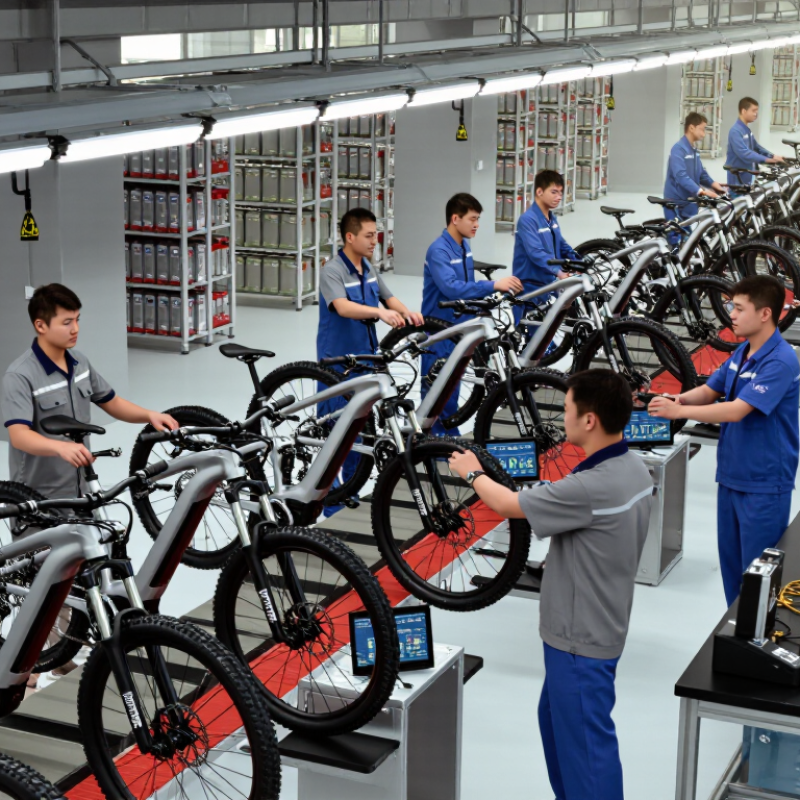
The best Chinese electric cycle manufacturer is not always the one offering the lowest quotation. Strong manufacturers combine engineering skill, stable production, and honest communication. Their frames should feel balanced, with clean welds and consistent paint. Motors must deliver smooth assistance, not sudden jolts. Battery systems need documented testing, traceable cells, and dependable protection controls.
In practical sourcing work, factory evaluation should go beyond polished showrooms. Ask for production records, quality inspection procedures, and sample test results. A reliable manufacturer explains range claims under specific conditions, including rider weight, temperature, terrain, and speed. It should also provide clear warranty terms and replacement procedures. No supplier is flawless. A delayed sample or small assembly issue may appear. What matters is whether the team reports it quickly and corrects the cause, rather than hiding it.
Tips: Request one production sample before placing a large order. Check brake response, charger temperature, cable routing, folding points, and battery fit. Ride the cycle on a slope and rough pavement. Record every defect with photos. Confirm which parts can be replaced locally and how technical support works after delivery. Certifications matter, but they do not replace physical inspection. Ask difficult questions early. The answers reveal more than a sales presentation.
Key reference benchmarks for evaluating an electric cycle manufacturer’s product quality, reliability, and sourcing capability.
These reference benchmarks are commonly used when comparing OEM and private-label electric cycle suppliers. A strong manufacturer should provide verified specifications, consistent quality control, reliable after-sales support, and compliance documentation.
China’s electric cycle industry produces several practical categories for different riding conditions. Commuter e-bikes usually have slim frames, rear racks, mudguards, and moderate-power motors. They suit paved roads, office travel, and short urban errands. Many use removable batteries, which simplify charging in apartments.
Folding electric cycles are common in compact cities. Their hinged frames fit car trunks, elevators, and narrow storage spaces. Cargo models use extended frames, stronger rear racks, and wider tires. Families and delivery workers often choose them for carrying groceries or equipment.
Electric mountain cycles add suspension, hydraulic brakes, and knobby tires for uneven trails. However, low-cost suspension can feel harsh. Buyers should inspect welding, cable routing, and battery protection carefully.
Fat-tire cycles provide extra grip on sand, gravel, and wet streets. Electric tricycles offer better balance and carrying capacity, especially for older riders or small businesses. Some factories also produce lightweight city models with step-through frames. Each type requires different testing.
A reliable manufacturer should provide battery test records, motor specifications, charger information, and clear quality-control procedures. Frame alignment matters more than attractive paint. So does after-sales communication. In my comparison of factory samples, specifications sometimes looked impressive but lacked useful details about range testing. Real range depends on rider weight, hills, temperature, tire pressure, and assist level. That difference deserves honest attention.
China’s electric cycle industry is concentrated in several powerful manufacturing regions. Zhejiang is known for mature assembly lines and dense component suppliers. Frames, motors, controllers, and displays can often be sourced within a short logistics distance. Jiangsu offers strong metalworking capacity and efficient production for commuter models. Its factories commonly support large-volume orders with consistent specifications.
Tianjin has deep experience in bicycle manufacturing and practical urban mobility products. Many local facilities focus on durable frames, simple electrical systems, and cost-controlled designs. Guangdong adds advantages in electronics, battery integration, mold production, and export logistics. Its proximity to major ports can shorten shipping schedules. This matters when seasonal demand changes quickly.
A reliable manufacturer should provide more than attractive pricing. Buyers should inspect battery testing records, welding quality, waterproofing methods, and controller consistency. Factory audits are useful, but they never show everything. A clean showroom can hide weak after-sales systems. Product traceability, replacement-part access, and clear quality agreements deserve equal attention. Smaller regional suppliers may offer closer communication, although their testing capacity can be limited. Large factories often deliver better scale, but customization may feel slower. My judgment could be incomplete without reviewing production samples and recent inspection data. China’s regional strengths are real, yet performance depends on factory discipline, not location alone.
Choosing among Chinese electric cycle manufacturers requires more than comparing factory prices. Grand View Research valued the global electric bicycle market at about US$43.3 billion in 2023. That scale attracts capable factories, but also creates uneven quality. The China Bicycle Association reported more than 42 million electric bicycles produced in China during 2023. Therefore, production volume alone proves little. Ask for recent factory-audit records, monthly capacity, and evidence of stable component sourcing. A polished showroom is not enough.
Battery control deserves close inspection. Request the cell specification, battery management system protections, cycle-test results, and traceable serial numbers. Check whether the proposed configuration meets the destination market’s requirements, such as EN 15194 or UL 2849, where applicable. Certification must match the complete vehicle, not only one battery sample. Compare braking distance, frame weld inspection, charger temperature, and water-resistance testing. Request test reports from independent laboratories. Be specific.
After-sales performance often separates a reliable supplier from a cheap one. Compare warranty terms, spare-parts stock, response times, and repair training. A manufacturer should explain how it handles battery failures after shipping, not merely promise “full support.” Visit the assembly line if possible. Observe torque tools, end-of-line testing, and how workers record defects. The comparison will still be imperfect. Supplier documents can age quickly, and advertised capacity may differ from real-world range. Ask for a pilot batch, test it on hills and wet streets, and record every fault before signing a larger order.
What Are the Best China Electric Cycle Manufacturers?
Choosing a reliable electric cycle manufacturer requires more than comparing factory prices. The China Bicycle Association reported over 40 million electric bicycles produced in 2023, showing the market’s enormous manufacturing scale. Scale alone proves little. Ask for production records, battery traceability, and documented quality procedures.
A dependable supplier should provide test results for battery safety, motor performance, braking distance, water resistance, and frame fatigue. Request reports from accredited laboratories, not edited screenshots. The International Energy Agency identifies China as the world’s largest electric two-wheeler market, so experienced factories should understand high-volume consistency and after-sales demands. Check whether each battery pack has a serial number, protective circuit, temperature controls, and clear replacement procedures.
Visit the assembly line if possible. Look for torque-controlled tools, sealed connectors, inspection stations, and workers recording defects. Ask how many units fail during final inspection. The answer may be uncomfortable, but honest defect data is more useful than a perfect presentation. Warranty terms also deserve careful review: coverage length, spare-part availability, response time, and local service training matter. Statista market analysis shows continued global growth in e-bike demand, yet rapid expansion can pressure quality control. I would request a small pilot order before committing to a container. It costs more initially. It may prevent an expensive mistake.
| Evaluation Dimension | Reliable Reference Data | Why It Matters | Recommended Verification |
|---|---|---|---|
| Product Classification | Confirm whether the product is an electric bicycle, electric moped, or electric motorcycle according to the destination market. | Vehicle classification determines speed limits, power limits, registration, licensing, and equipment requirements. | Request the technical specification sheet and compare it with the laws of the target country or region. |
| Battery Safety | Lithium-ion battery packs should have a battery-management system for overcharge, over-discharge, overcurrent, and short-circuit protection. | Battery protection reduces safety risks and helps maintain capacity and service life. | Ask for cell specifications, BMS functions, UN 38.3 transport test documentation, and applicable battery certification reports. |
| Electrical Certification | For European markets, EN 15194 is the principal standard for EPAC electric bicycles; other markets may require different standards or approvals. | Correct certification supports legal market entry and reduces customs, insurance, and compliance risks. | Verify certificates by model, factory, test scope, and validity rather than accepting generic documents. |
| Motor Configuration | Common electric-cycle motor ratings include approximately 250 W for many European EPAC applications and higher ratings for other vehicle categories and markets. | Rated power, torque, controller settings, and speed assistance must match local regulations and intended usage. | Check rated power, peak power, nominal voltage, torque, controller parameters, and test results under load. |
| Frame and Fork Quality | Aluminum alloy and steel frames are widely used; the appropriate choice depends on load capacity, corrosion exposure, weight, and price target. | Frame strength and fatigue resistance affect rider safety, handling, and long-term durability. | Review material grade, weld inspection records, maximum permissible load, corrosion treatment, and fatigue-test evidence. |
| Quality Management | ISO 9001 certification is a useful quality-management indicator, but it does not replace product testing or factory audits. | Documented processes improve consistency in purchasing, assembly, inspection, and corrective action. | Check the certificate scope, issuing body, expiry date, incoming inspection, process inspection, and final inspection records. |
| Testing Capability | A capable factory should be able to document tests for brakes, lighting, battery charging, water resistance, electrical safety, and road performance. | In-house inspection helps identify defects before shipment and supports stable mass production. | Request sample test reports, calibration records, inspection checklists, and a video or on-site review of the testing area. |
| Warranty Coverage | Commercial warranty terms commonly separate coverage for the frame, motor, controller, battery, and wearing parts; exact periods must be stated in writing. | Clear warranty terms reduce disputes and help estimate after-sales operating costs. | Confirm coverage duration, exclusions, claim evidence, replacement policy, labor responsibility, and battery capacity-retention terms. |
| Spare Parts Availability | Essential service parts include brake pads, chargers, displays, controllers, sensors, tires, inner tubes, batteries, and wiring harnesses. | Accessible spare parts shorten repair time and protect product availability in the market. | Request a parts catalogue, part numbers, stock policy, replacement prices, and expected replenishment times. |
| Production Capacity | Capacity claims should be supported by documented production lines, staffing, equipment, historical output, and current utilization. | The largest factory is not always the best choice; dependable capacity and process control are more important than promotional volume figures. | Conduct a factory audit and compare stated capacity with purchase orders, production schedules, and shipment records. |
| Minimum Order Quantity | MOQ varies by product design, battery configuration, branding requirements, packaging, and component purchasing conditions. | A suitable MOQ helps control inventory exposure while still allowing efficient production and customization. | Obtain separate MOQs for standard models, color changes, logo application, custom molds, and battery specifications. |
| Lead-Time Control | Lead time depends on component availability, battery production, quality inspection, packaging, and shipping arrangements. | Accurate scheduling helps prevent stockouts and missed seasonal sales opportunities. | Request a written schedule covering deposit confirmation, sample approval, production, inspection, and shipment readiness. |
| Customization Support | Customization may include frame color, decals, saddle, tires, display settings, packaging, firmware, and accessories. | Flexible customization allows the product to match local regulations, customer needs, and retail positioning. | Confirm engineering charges, tooling ownership, sample approval procedures, change-control rules, and intellectual-property terms. |
| Supply-Chain Traceability | Traceable records should cover battery cells, chargers, controllers, motors, frame batches, and final inspection results. | Traceability supports recalls, root-cause analysis, warranty decisions, and regulatory documentation. | Ask how serial numbers, batch numbers, supplier records, and inspection results are stored and retrieved. |
| Export and Packaging Experience | Battery shipments require compliance with applicable dangerous-goods transport rules, including packaging and documentation requirements. | Correct packaging and shipping documents reduce transit damage, customs delays, and transport non-compliance. | Review carton specifications, drop-test results, battery transport documents, loading procedures, and export records. |
| Total Cost of Ownership | Evaluate purchase price together with freight, duties, testing, spare parts, warranty claims, charging equipment, and service costs. | The lowest factory quotation may not produce the lowest long-term operating cost. | Prepare a landed-cost model and compare suppliers using the same specification, delivery terms, warranty scope, and compliance requirements. |
A reliable manufacturer combines sound engineering, stable production, and honest communication. Frames should have clean welds and balanced handling. Motors should provide smooth assistance without sudden jolts. Battery systems need documented testing and traceable components. No factory is perfect. Quick correction matters.
Look beyond polished showrooms and attractive quotations. Request production records, inspection procedures, and sample test results. Ask how range figures were measured. Details should include rider weight, temperature, terrain, and speed. A showroom alone proves little.
Check brake response, charger temperature, cable routing, and battery fit. Inspect every folding joint carefully. Ride on a slope and rough pavement. Record defects with clear photographs. Small issues may reveal weak assembly control. Do not ignore them.
Commuter models usually have slim frames, mudguards, rear racks, and moderate-power motors. They suit paved roads, office travel, and short errands. Removable batteries help apartment users charge indoors. Check frame alignment before admiring the paint. Paint can distract.
Folding models suit compact homes, elevators, car trunks, and narrow storage areas. Inspect the hinge, locking mechanism, and cable movement. The folded frame should remain stable. Repeated folding may expose weaknesses. Test it many times.
Cargo models use longer frames, stronger rear racks, and wider tires. They can carry groceries, tools, or small equipment. Check rack mounting points and braking performance under load. A strong-looking rack may still flex. Test with realistic weight.
Real range depends on rider weight, hills, temperature, tire pressure, and assistance level. Cold weather and steep roads usually reduce distance. Ask for test conditions, not only one impressive number. Range claims can be incomplete. That deserves reflection.
Different regions offer different industrial strengths, including metalworking, electronics, assembly, and export logistics. However, location alone does not guarantee performance. Factory discipline, testing, traceability, and after-sales support matter more. Large factories may offer scale but slower customization. Smaller suppliers may communicate more closely. Neither option is automatically better.
China has become a major source of electric mobility products, offering a wide range of Electric Cycle models, including city bikes, folding cycles, cargo bikes, mountain-style cycles, and utility versions. The best manufacturers combine durable frames, reliable motors, efficient batteries, safe braking systems, practical design, and consistent quality control. Their strengths are supported by mature industrial regions with established supply chains for batteries, motors, controllers, components, assembly, and testing. This integrated manufacturing environment helps improve production efficiency while allowing flexible customization for different markets.
When comparing Chinese Electric Cycle manufacturers, buyers should evaluate product quality, technical capabilities, production capacity, certification support, customization options, communication, lead times, warranty policies, and after-sales service. A reliable manufacturer should provide clear specifications, stable performance, transparent documentation, and effective quality inspections from component sourcing through final assembly. By considering both manufacturing expertise and long-term cooperation capabilities, importers and distributors can select a dependable partner that delivers safe, practical, and competitively positioned electric cycles.

Aiweda