The electric trike market is evolving rapidly, especially in China. As global buyers seek innovative and efficient transportation solutions, electric trikes become a prominent option. Renowned industry expert, Dr. Liam Chen, states, “Electric trikes represent the future of urban mobility.” This sentiment captures the growing appeal of electric trikes among consumers seeking practicality.
Many factors contribute to the rise of electric trikes. They are environmentally friendly and economically viable. With the increase in traffic congestion and pollution, these vehicles offer a sustainable alternative. However, potential buyers must assess various models carefully. Not all electric trikes are created equal. Some lack essential features like battery range and durability.
Despite their potential, challenges remain. The market can be overwhelming due to the sheer number of choices. Buyers might struggle to find trikes that meet their specific needs. This underscores the importance of informed decision-making. As we approach 2026, global interest in electric trikes will likely grow, shaping the landscape of urban transportation.
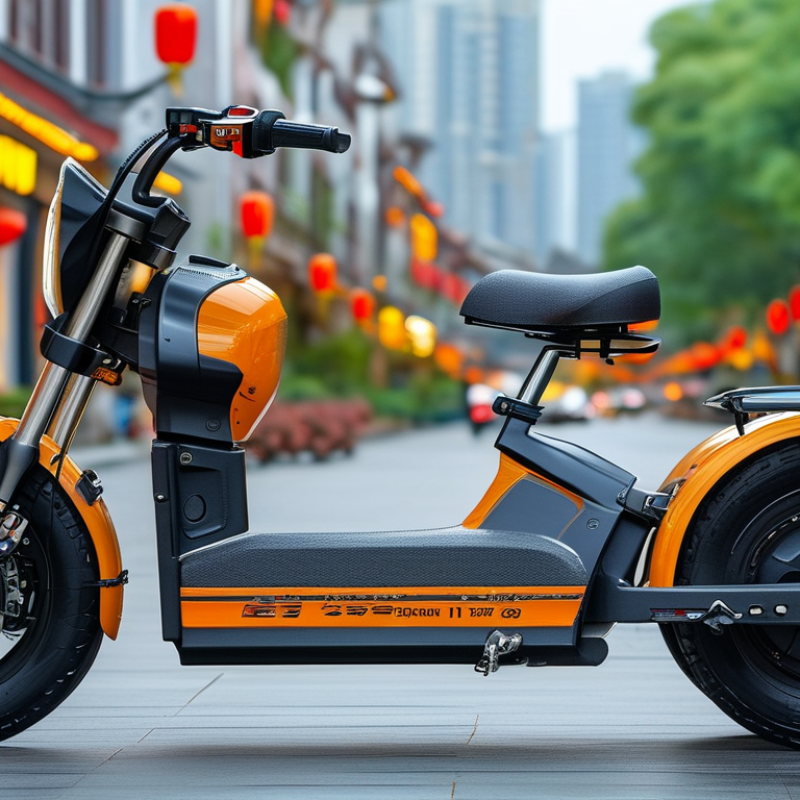
The electric trike market in China is poised for significant growth. In recent years, consumer demand has surged for eco-friendly transportation options. Predictions suggest that by 2026, electric trikes could dominate urban transport. Their unique design combines convenience and versatility, making them appealing to a wider audience.
Urban areas benefit from this rise. With congested streets, electric trikes offer an efficient solution. They are compact and easy to maneuver. As cities aim to reduce carbon emissions, adopting electric trikes becomes a logical choice.
Tips: When considering an electric trike, evaluate its battery life. A longer range ensures you won't be stranded mid-journey. Check the weight capacity as well; this affects performance and safety. Lastly, investigate local regulations on electric vehicles; compliance is crucial.
The market showcases diverse designs catering to various needs. Some models feature covered designs for all-weather use. Others target specific niches, like cargo transport. However, potential buyers should reflect on their individual needs. Not every model suits every lifestyle. Finding the right match is essential for long-term satisfaction.
This chart displays the projected market share of different application areas for electric trikes in China by the year 2026. It's evident that delivery services are expected to dominate the market, followed closely by urban commuting options.
Electric trikes are gaining popularity in China, attracting global buyers in 2026. These vehicles combine efficiency with practicality, making them a suitable option for urban commuting. A report by the China Bicycle Association indicates that the electric tricycle market is expected to grow at a compound annual growth rate of 10% over the next five years. This growth reflects an increasing interest in sustainable transport options.
Some key specifications are turning heads. Many electric trikes feature a range of 50 to 100 kilometers on a single charge. Speed capabilities typically vary between 25 to 45 km/h, appealing to different user preferences. Additionally, a notable portion of these trikes offer cargo solutions, with load capacities reaching up to 300 kilograms. However, not all models meet stringent safety standards. Buyers should carefully assess features like braking systems and stability ratings, as not every manufacturer prioritizes these aspects equally.
Consumer reports often highlight battery life as a crucial factor. While some trikes use lithium-ion batteries, which provide an average lifespan of three to five years, others may rely on less efficient lead-acid batteries. This discrepancy impacts performance and maintenance costs significantly. Buyers must weigh these factors when considering the long-term value of their purchase.
As the electric trike market in China continues to expand, understanding pricing strategies becomes essential for global buyers. Major brands offer a range of price points. Factors such as technology, battery quality, and design heavily influence these prices. Some trikes feature advanced battery systems, providing longer ranges for buyers. This innovation often comes with a higher cost.
However, not all high-priced options guarantee superior performance. Buyers need to weigh features against price. For instance, basic models can serve everyday needs without the premium features. It's crucial to identify personal requirements and budget constraints before making a choice. Many trikes also offer varying warranty periods, impacting long-term ownership costs.
In this vibrant market, frequent changes occur. Some brands may revise their pricing strategies based on market demand. Buyers might find that a popular model could surge in price quickly. Being informed is key to navigating this dynamic landscape. Researching competitor pricing regularly can help buyers secure the best deals. Pricing transparency is often lacking, making it necessary to carefully evaluate all available options.
Electric trikes are gaining traction as a sustainable transportation option. They emit zero tailpipe emissions. This makes them an attractive alternative to traditional vehicles. With urban areas facing pollution challenges, electric trikes offer a cleaner solution. Riders enjoy the convenience and efficiency they provide.
Environmental awareness is growing globally. Electric trikes play a significant role in reducing carbon footprints. They can be charged using renewable energy sources. This further enhances their environmental benefits. However, the manufacturing process can still contribute to pollution. Finding a balance between production and sustainability remains a challenge.
Cities are adapting to incorporate electric trikes into their transport systems. Dedicated lanes can enhance safety and efficiency. Some cities struggle to provide adequate infrastructure. This can limit the widespread adoption of electric trikes. Urban planners must consider these factors. Ensuring that electric trikes integrate smoothly into existing urban landscapes is essential for success.
| Model | Range (km) | Top Speed (km/h) | Battery Type | Charge Time (hrs) | Environmental Rating |
|---|---|---|---|---|---|
| Model A | 80 | 25 | Lithium-ion | 6 | A+ |
| Model B | 100 | 30 | Lead-acid | 8 | A |
| Model C | 120 | 28 | Lithium-polymer | 5 | A++ |
| Model D | 90 | 27 | Lithium-ion | 7 | B+ |
The global market for electric trikes is witnessing significant growth, and China stands at the forefront of this evolution. According to a recent report by ResearchAndMarkets, the electric tricycle market is projected to reach $1.03 billion by 2026. This growth is driven by rising demand for eco-friendly transportation options and urban congestion issues. The trend indicates that Chinese manufacturers are well-positioned to meet this demand, especially for international markets.
Export opportunities are expanding for Chinese electric trikes. In 2022, exports of electric trikes from China increased by over 15%. This uptick reflects growing interest from countries seeking sustainable alternatives in their transportation sectors. However, challenges remain, such as regulatory compliance and varying consumer preferences across regions. Adapting designs and features to meet local regulations can be complex but essential for success.
Moreover, understanding the competitive landscape is crucial. Countries like India and Brazil are emerging as significant players. They offer both market potential and stiff competition. Chinese companies must innovate and enhance product quality while keeping costs competitive. This balancing act is essential to capture and sustain international demand in an increasingly crowded marketplace.
: Electric trikes are compact and easy to maneuver. They offer a convenient solution for congested streets.
Most electric trikes can travel between 50 to 100 kilometers on one charge. This range is essential for daily commuting.
Evaluate battery life, weight capacity, and local regulations. These factors significantly impact performance and safety.
Speed capabilities generally range from 25 to 45 km/h. Different models cater to various user preferences.
Many trikes use lithium-ion batteries. They typically last three to five years, offering better performance.
Yes, they have zero tailpipe emissions. Their use can help reduce urban pollution levels, albeit with some manufacturing concerns.
Not all models meet safety standards. It's vital for buyers to assess braking systems and stability ratings carefully.
Some models can carry up to 300 kilograms. This is beneficial for cargo transport needs but varies by design.
Local regulations vary. Understanding compliance is crucial before purchasing an electric trike for safety and legal reasons.
Providing dedicated lanes can enhance safety. However, inadequate infrastructure may limit widespread adoption in some areas.
The article "Top Electric Trikes in China for Global Buyers 2026?" offers a comprehensive overview of the electric trike market, emphasizing its anticipated growth and evolving trends by 2026. It discusses the key features and specifications of leading electric trikes produced in China, highlighting advancements that make them appealing for both domestic and international consumers. Furthermore, the article delves into pricing strategies employed by various manufacturers, providing insights into competitive positioning within the marketplace.
In addition to the commercial aspects, the article addresses the environmental impact of electric trikes, showcasing their role in promoting sustainable transportation solutions. It also explores global distribution trends, identifying potential export opportunities for Chinese electric trikes. Overall, the piece underscores the transformative potential of electric trikes in shaping the future of eco-friendly mobility and their growing significance on the world stage.

Aiweda