Explore our premium segment of compact four-wheel and multi-purpose electric platforms tailored for the specific terrain and logistics requirements of Damascus.
An in-depth whitepaper analysis of urban logistics, fuel transition strategies, and localization requirements in Syria's capital city.
Damascus, one of the oldest continuously inhabited cities in the world, presents unique challenges for modern transport infrastructure. The blend of historic, narrow alleyways in the Old City (such as Bab Touma and Bab Sharqi) alongside expanding modern commercial suburbs requires vehicles that balance compact dimensions with high structural integrity. Standard combustion-engine commercial fleets struggle in these dense zones due to congestion, strict urban ordinances, and rising petroleum costs.
Over the past few years, the demand for light electric vehicles (LEVs), specifically electric tricycles and four-wheel quadricycles, has spiked exponentially. These vehicles offer a cost-effective, decentralized transportation network that bypasses fuel shortages while offering high payload support for local distributors, food delivery networks, and municipal cleaning services.
Due to localized electricity grid constraints in parts of Syria, our electric four-wheel platforms are optimized for multi-source charging systems. Incorporating intelligent battery management systems (BMS) with high thermal stability, these vehicles are capable of interfacing directly with solar photovoltaic micro-charging stations. This makes them highly autonomous, allowing operators in the Damascus industrial suburbs to charge their transport fleets utilizing off-grid solar panels during daylight hours, guaranteeing continuous commercial uptime.
Summer temperatures in Damascus often exceed 40°C, presenting significant battery degradation risks. Our engineering department has pioneered optimized cooling designs for our lithium-iron-phosphate (LiFePO4) and heavy-duty lead-acid battery packs, ensuring thermal runaway protection. Combined with a reinforced high-carbon steel frame that undergoes electroplating and baking paints, the vehicle's structural frame is fully resistant to the abrasive dust and uneven pavement conditions common in outlying commercial routes.
We are the leading exporter integrating customized AI-driven vehicle diagnostics and intelligent voice systems in Chinese electric tricycles and quadricycles. This empowers municipal operators in Damascus to maintain and monitor fleet safety, speed restrictions, and route optimization autonomously.
Discover how Tianjin Aiweda Technology integrates state-of-the-art intelligent production lines to supply reliable vehicles worldwide.
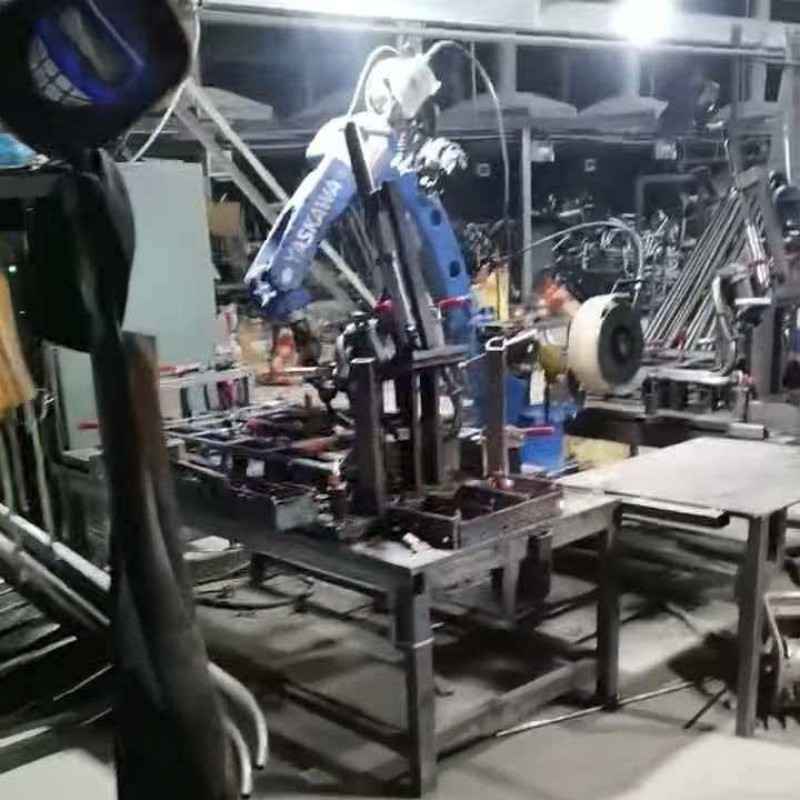
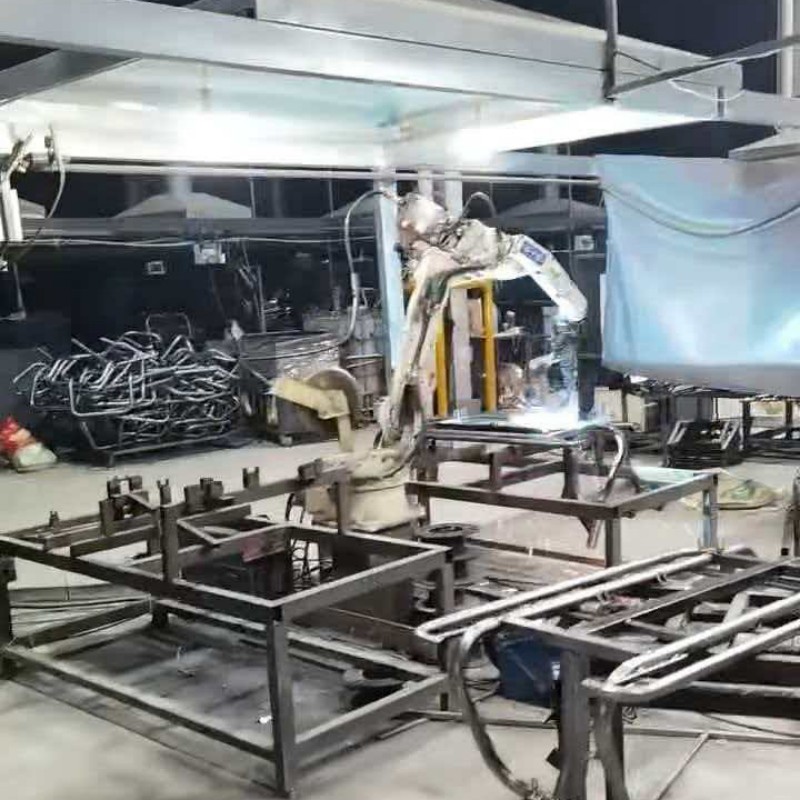
We utilize automated robotic welding stations to fabricate high-carbon steel frames. This ensures millimeter-level precision, absolute joint structural integrity, and maximum cargo capacity for tough environments.
All structural parts undergo a multi-stage electrophoretic coating process followed by industrial-grade double-bake paint. This protects our vehicles against rust, sand abrasion, and long-term solar UV exposure.
Our dedicated in-house AI technology team has pioneered customizable unmanned driving systems and voice navigation capabilities. We are uniquely positioned to customize smart mobility solutions for diverse export markets.
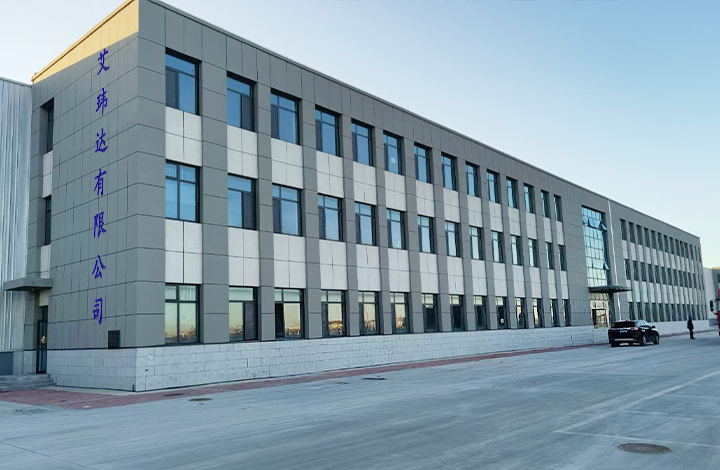
Established in 2019, Aiweda has rapidly become a modern professional manufacturer integrating research & development, mass production, sales, and global after-sales service. Operating out of the Wuqing District in Tianjin, our facility features advanced automatic production lines, specialized testing labs, and state-of-the-art warehouses.
Under the core philosophy of "Quality builds the brand, service wins the market," we export premium micro-mobility vehicles to high-demand international markets, including South Korea, Thailand, Brazil, Mexico, and major trading hubs across the Middle East, including Damascus.
Learn More About UsQuality control is embedded in every single stage of production, ensuring that each vehicle is built to last.
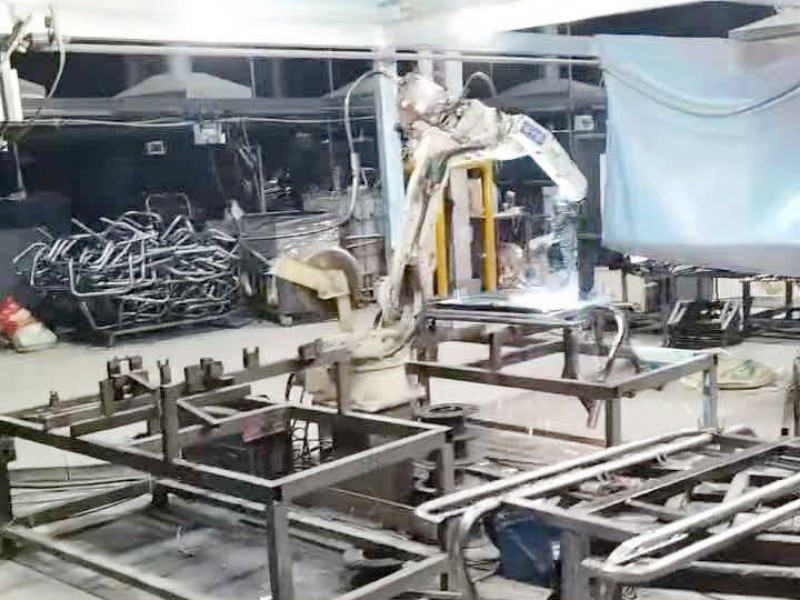
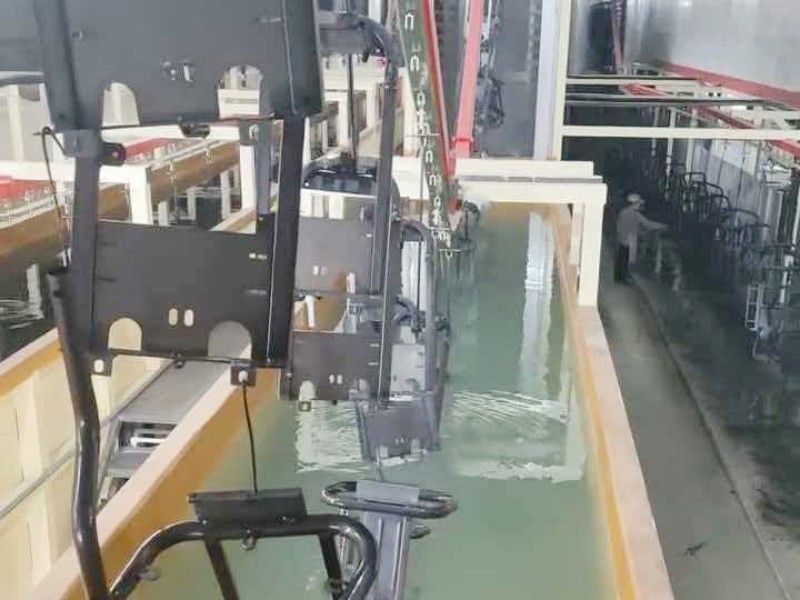
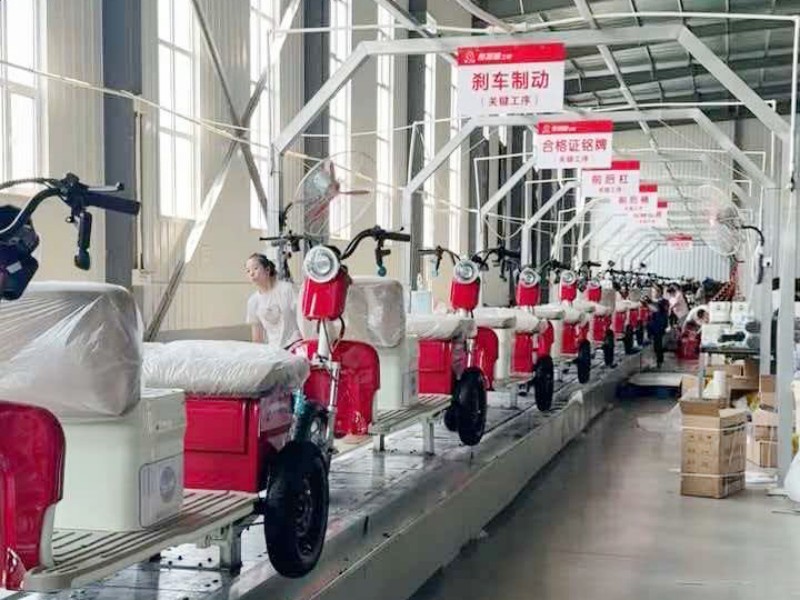
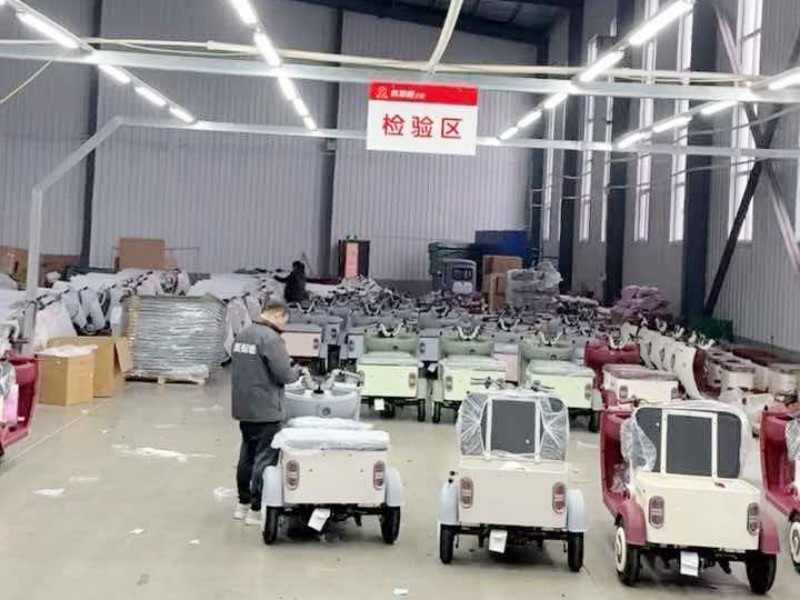
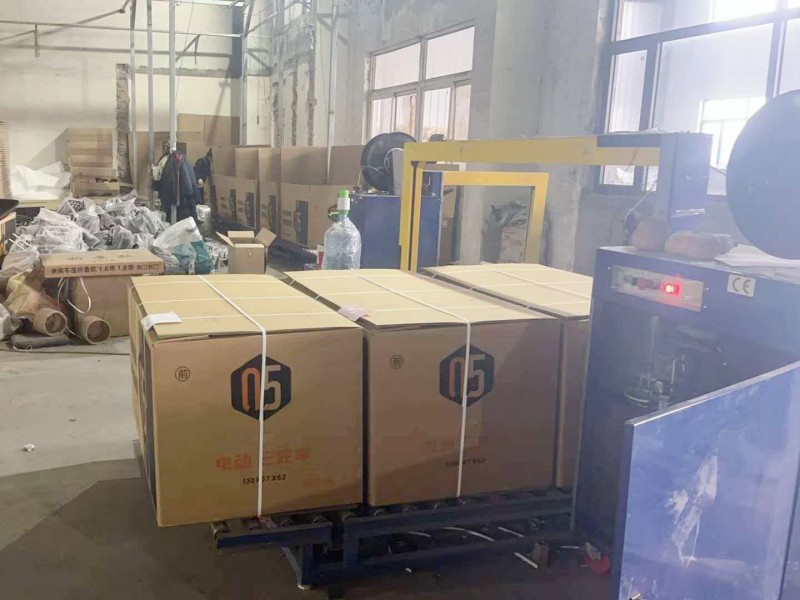
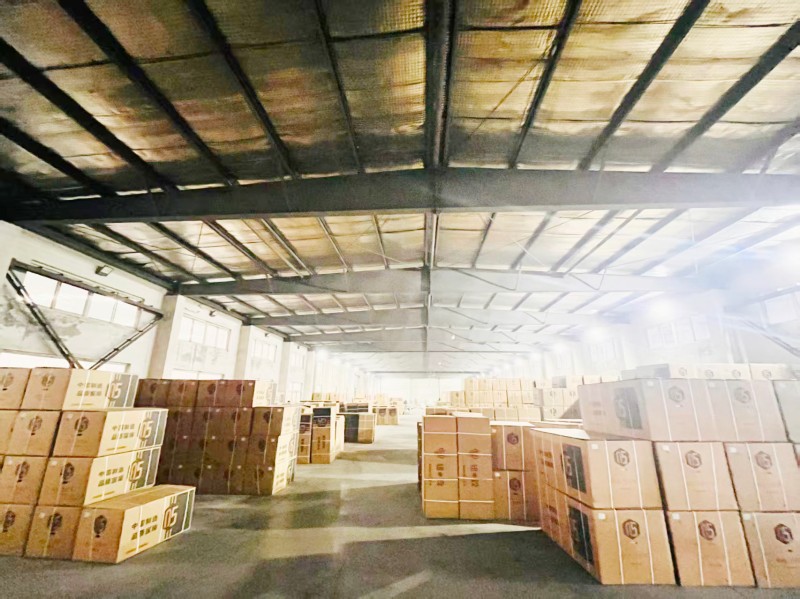
A quick visual tour demonstrating our massive infrastructure, automated machinery, and organized warehouse system.
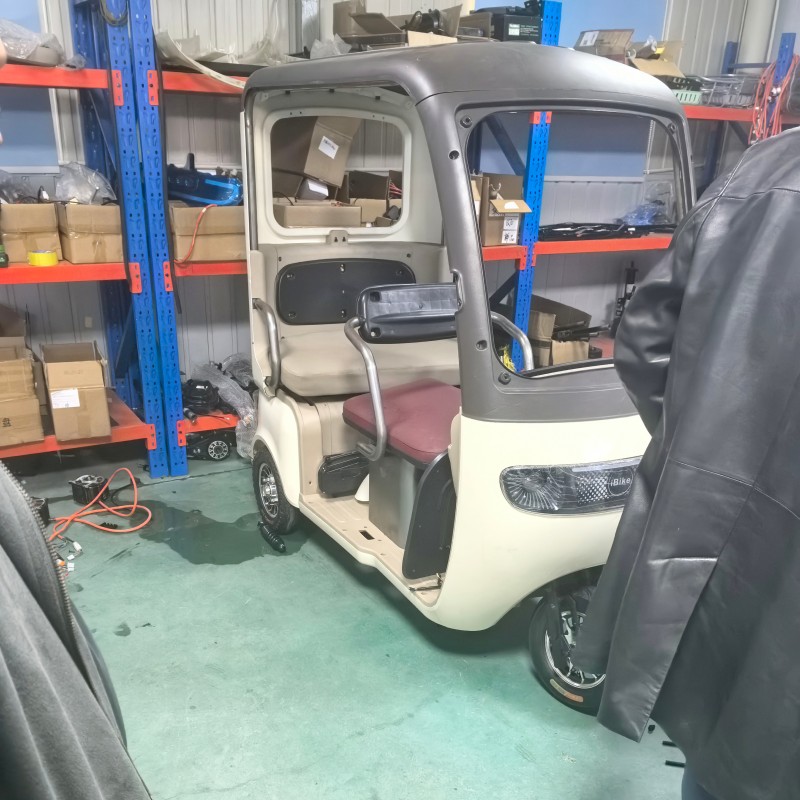
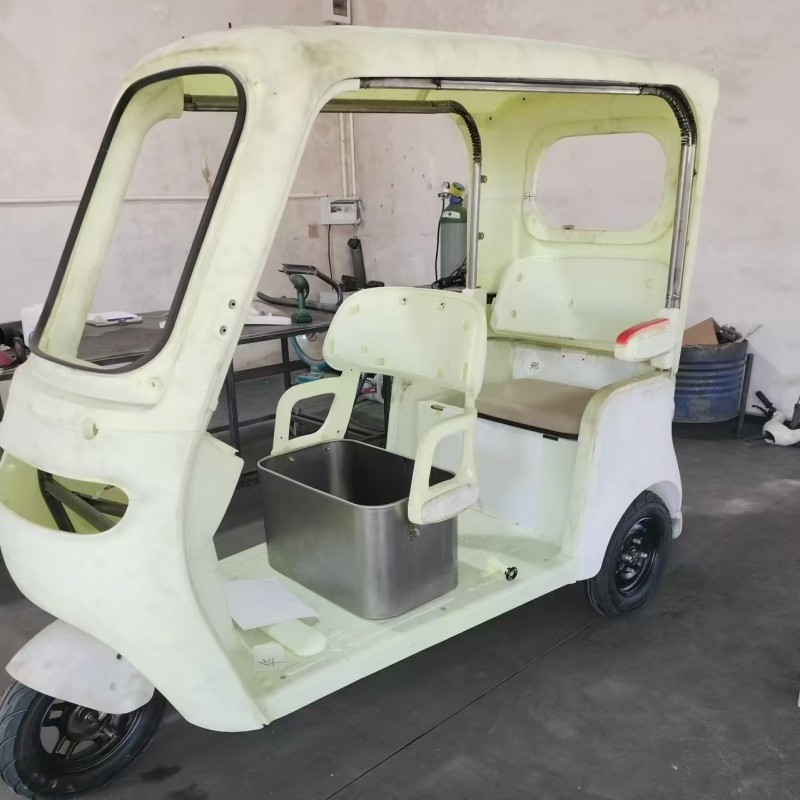
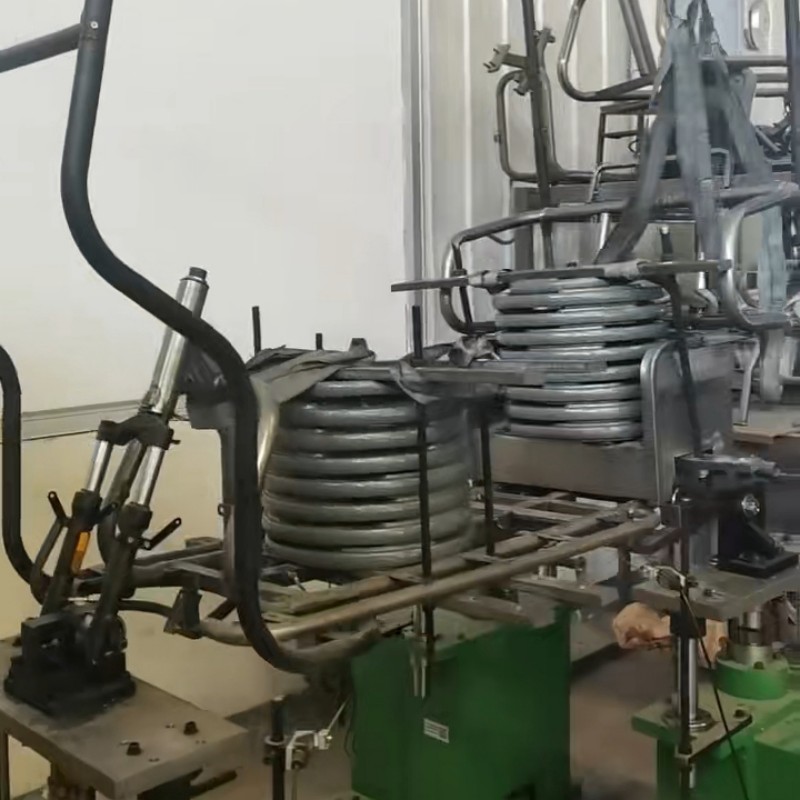
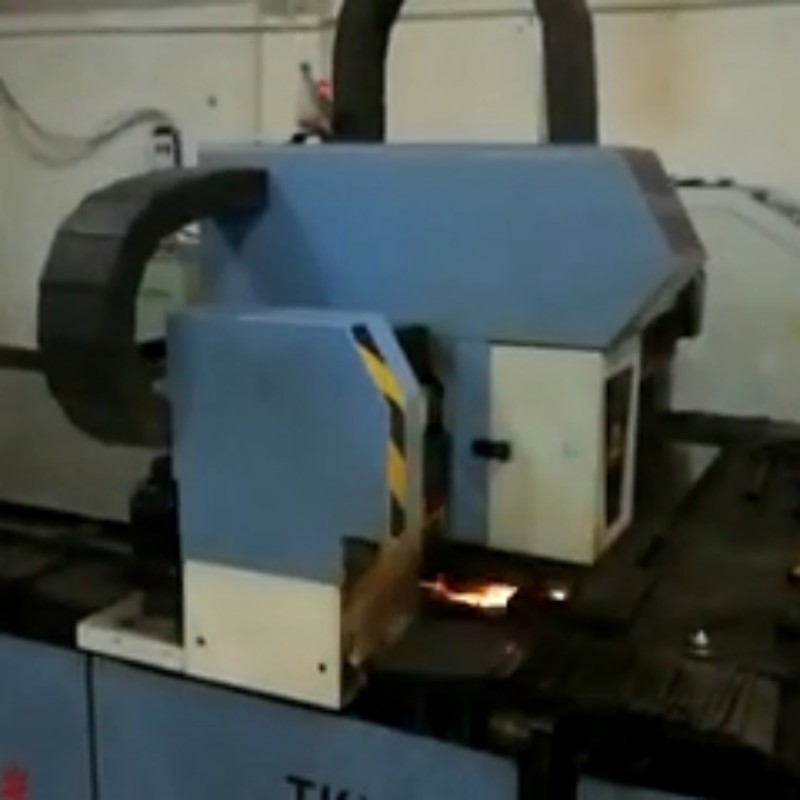
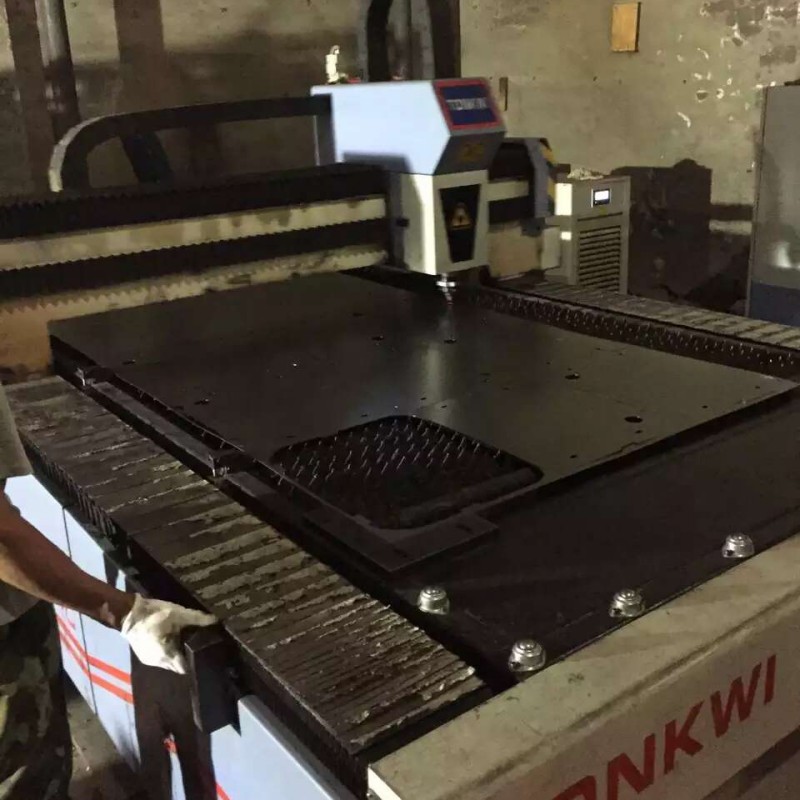
How Aiweda's custom electric platforms serve public transit, private logistics, and heavy industrial domains.
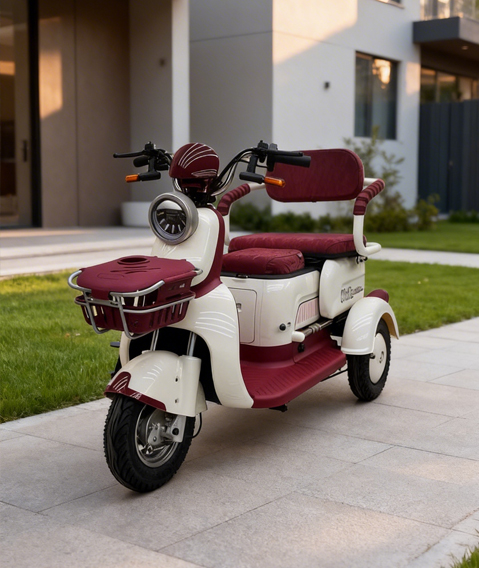
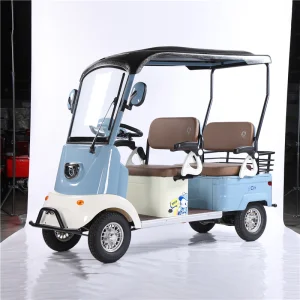
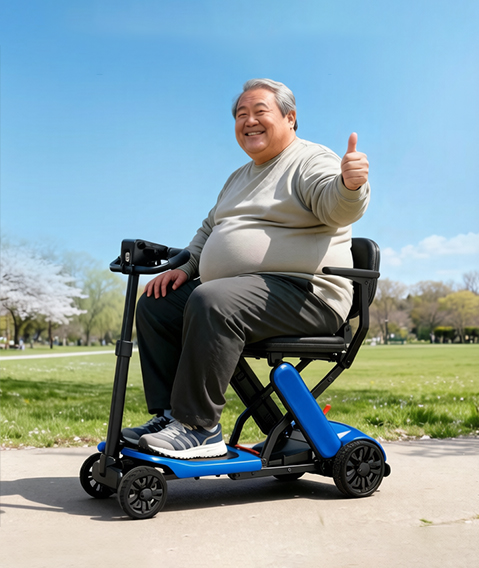
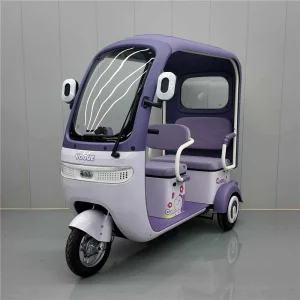
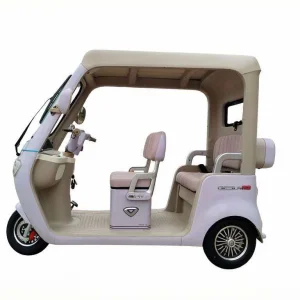
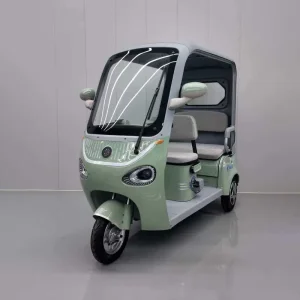
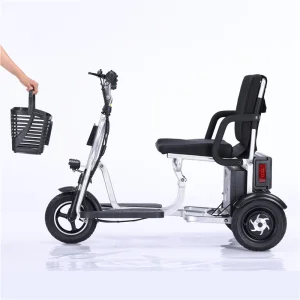
Engineered for high maneuverability, our leisure tricycles provide safe, comfortable, and zero-emission alternatives for short-distance passenger transit in densely populated historic districts.
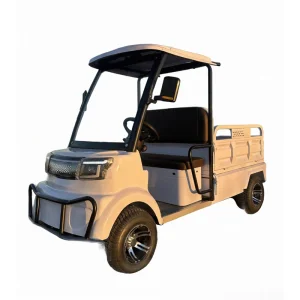
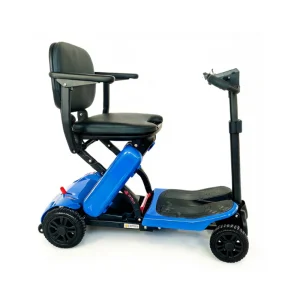
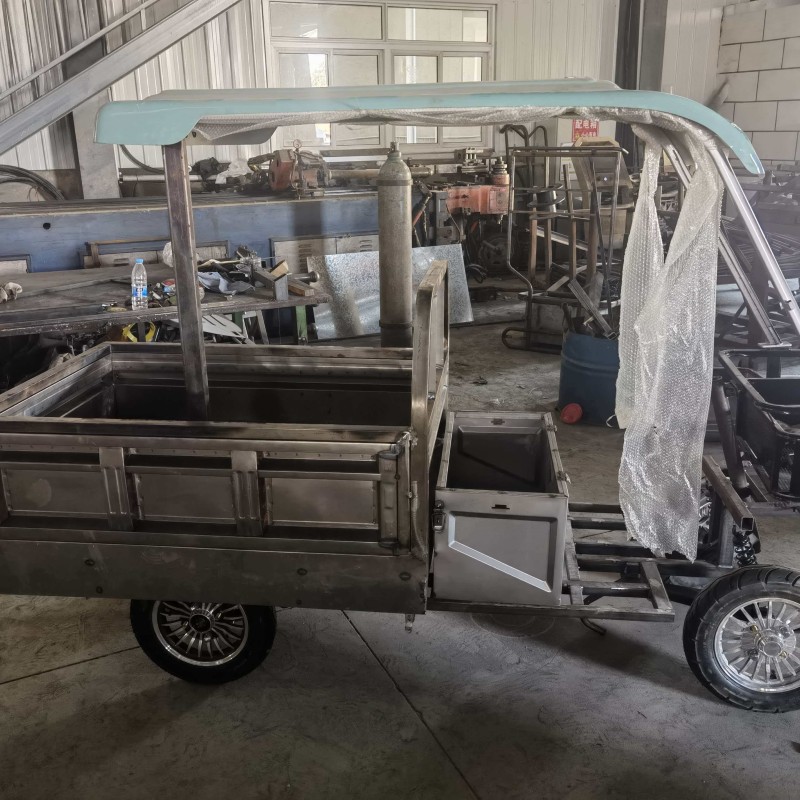
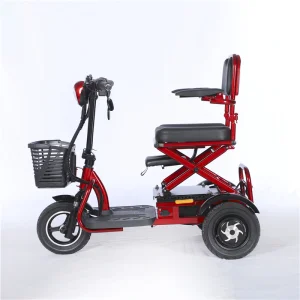
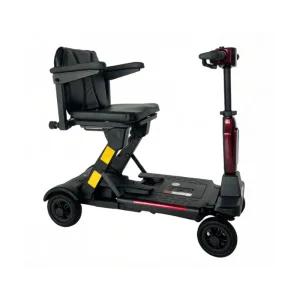
Featuring reinforced high-carbon steel beds and dynamic folding frames, these options are designed for local express companies delivering packages and cargo in tricky urban routes.
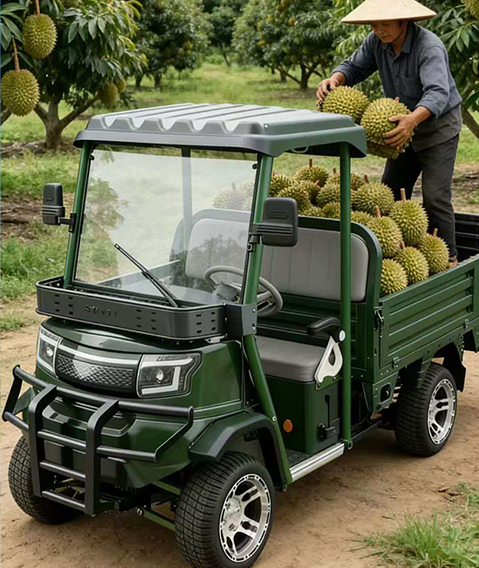
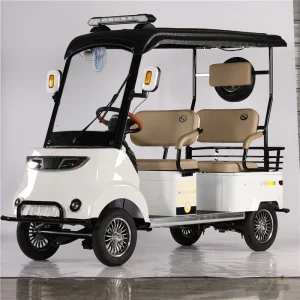
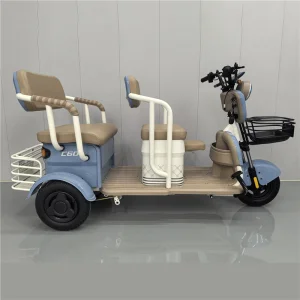
Easily convertible configurations allow operators to switch between passenger seats and cargo platforms, offering unprecedented versatility for hotels, resorts, and warehouses.
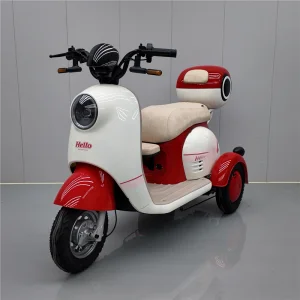
Select from our complete range of certified electric vehicles, manufactured under international safety standards and ready for shipping to Damascus.
Expert clarifications regarding technical customization, customs logistics, shipping processes, and solar micro-grid compatibility.
Our units destined for the Middle East are engineered with higher torque brushless motors (ranging from 1000W up to 1500W) alongside high-capacity cooling channels inside the chassis. The high-carbon steel frames have a stable load-bearing setup that thrives on steep inclines and unpaved roads, and our custom BMS prevents battery overheating in 40°C+ ambient temperatures.
Yes. All of our electric vehicles can be configured with specialized chargers that are fully compatible with domestic hybrid solar inverters and off-grid micro-grids. Given local electrical grid realities, this is highly recommended for commercial operators in Damascus looking to maintain independent fleet uptimes.
We are the only manufacturer in China offering specialized integration of AI-driven unmanned systems and localized voice commands. Furthermore, we can customize frame lengths, incorporate canopy options, add reinforced cargo containers, or design passenger compartments specifically designed for medical transit, municipal sanitization, or hotel shuttle duties.
From our state-of-the-art Tianjin port facility, production takes approximately 15-25 days depending on the volume of customization requested. Sea transit to Latakia or Tartous ports generally takes 30-45 days. We provide comprehensive commercial invoices, certificates of origin, packing lists, and export paperwork to ensure seamless customs clearance.
Partner with Tianjin Aiweda Technology. Get customized engineering specifications, tailored bulk discounts, and dedicated shipping support directly to Damascus. Contact our project directors today.
Send Inquiry Now Aiweda