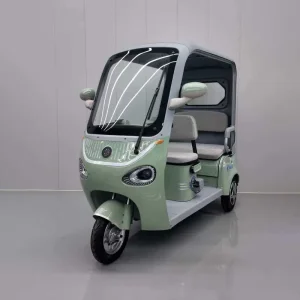
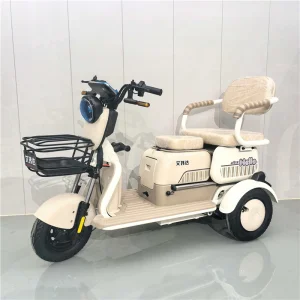
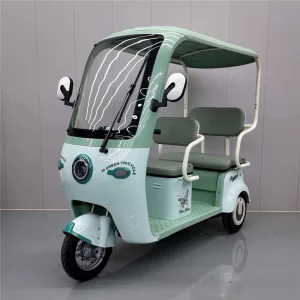
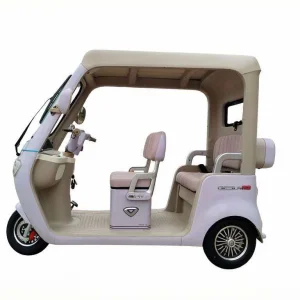
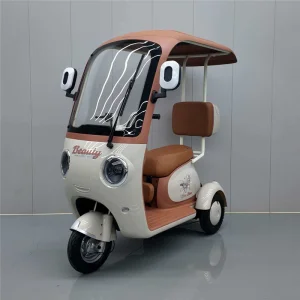
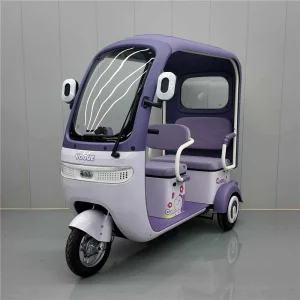
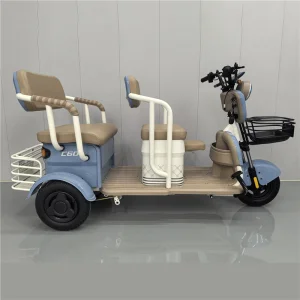
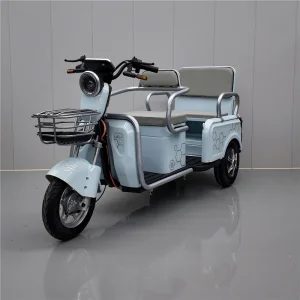
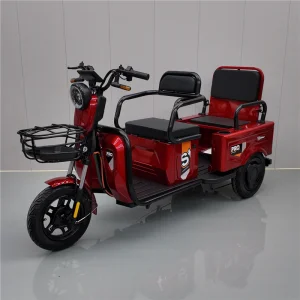
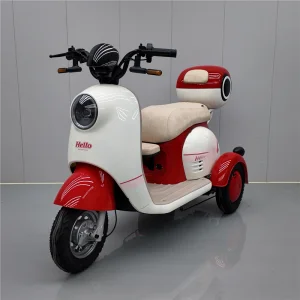
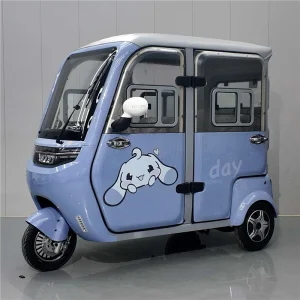
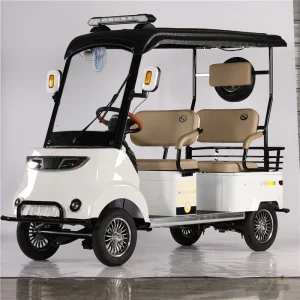
Powerful performance, safe and comfortable. The preferred green energy choice for urban commuting, grocery delivery, and commercial cargo transit in Seoul's residential districts.
Engineered with a robust motor and smart stabilizer chassis, it is ideal for negotiating tight Seoul alleys and transporting small-scale commercial goods safely.
Featuring a high-capacity power unit and a heavily reinforced steel frame. Meets stringent global regulatory standards for carbon-neutral cargo handling.
Features advanced solar panels on the roof canopy to extend operational range. Perfect for municipal environment protection initiatives and off-grid courier routes.
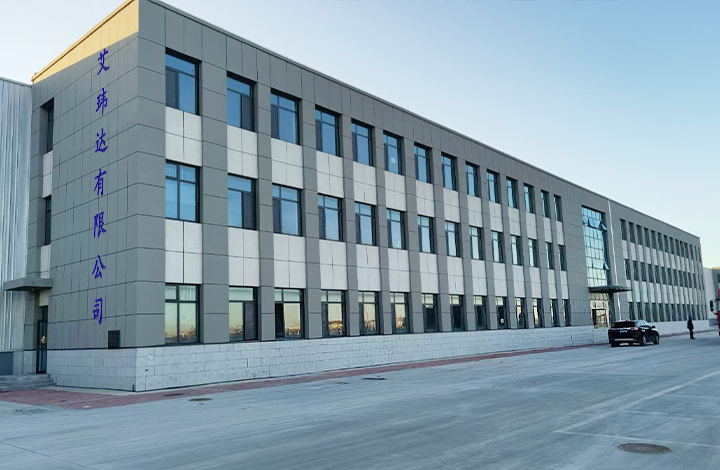
Tianjin Aiweda Technology Co., Ltd. leads the smart urban mobility sector with an annual manufacturing output surpassing 500,000 electric vehicles. Since introducing our trademark brand in 2019, our focus has remained on high-efficiency logistics, carbon reduction, and compliant custom-engineered solutions for highly regulated global markets—specifically South Korea.
We strictly enforce state-of-the-art robotic stamping, automatic welding lines, and specialized quality assurance processes, assuring that every electric tricycle exported to the Seoul Metropolitan Area is built to withstand steep gradients, inclement seasonal weather, and demanding daily logistics runs.
Industrial Whitepaper: Navigating the Micro-Mobility Landscape in the Seoul Metropolitan Area
Executive Summary: As the Seoul Metropolitan Government (SMG) moves aggressively towards its "2050 Climate Action Plan," municipal targets for carbon neutrality are reshaping the landscape of urban logistics. Micro-mobility platforms—specifically commercial electric tricycles and lightweight utility quad vehicles—are emerging as the missing link in the city's green logistics master plan.
1. The Micro-Logistics Paradigm in Seoul
Seoul presents a unique challenge to global exporters of light electric vehicles. With a population density exceeding 15,000 people per square kilometer, hyper-congested business districts like Gangnam, Jongno, and Mapo demand efficient last-mile logistics. Compounding this challenge is Seoul's historic and hilly terrain, characterized by steep, narrow alleys (known as golmok-gil) in residential zones where traditional diesel trucks cannot maneuver safely.
Replacing heavy cargo trucks with agile, high-torque electric tricycles helps logistics corporations reduce localized emission profiles while streamlining delivery cycles. The integration of 48V and 60V lithium-ion batteries, combined with sophisticated brushless motors and multi-channel intelligent controllers, ensures vehicles can comfortably tackle road gradients of up to 20% while carrying heavy cargo payloads.
South Korea Regulatory Compliance: The KC Certification Standard
Exporting micro-mobility vehicles to Seoul requires strict compliance with South Korea's Safety Standards Act. All electric tricycles must pass rigorous safety evaluations to earn the KC (Korea Certification) mark. This encompasses electromagnetic compatibility (EMC) testing, strict safety protocols for onboard lithium-ion cells, and structural chassis crashworthiness tests.
2. Localized Seoul Applications of Electric Tricycles
Our portfolio is tailored to target several high-growth commercial sectors in South Korea:
Smart Last-Mile Urban Couriers: Facilitating rapid, zero-emission package dispatch for logistics networks operating from regional micro-distribution hubs directly to customer high-rises.
The Aging "Silver Economy" Mobility: With South Korea rapidly transitioning into a super-aged society, stable 3-wheel and 4-wheel electric passenger mobility solutions with electromagnetic braking systems provide elderly citizens with safe, reliable neighborhood transit.
Eco-Tourism & Municipal Maintenance: Seoul’s expansive public green spaces, such as Hangang Park and Yeouido Park, utilize zero-emission vehicles to conduct maintenance, cleaning, and security sweeps without disrupting visitors.
3. Future Engineering Roadmap
Aiweda is pushing the boundaries of smart travel. By integrating advanced artificial intelligence systems, we are developing automated driving capabilities specifically tailored for closed-campus logistics and pedestrian zone maintenance in South Korea. Our ongoing development projects include real-time voice guidance systems localized in Korean, obstacle detection sensor matrices, and energy-recovery regenerative braking configurations designed specifically for hilly topographies.
Advanced Production Capabilities & Standards
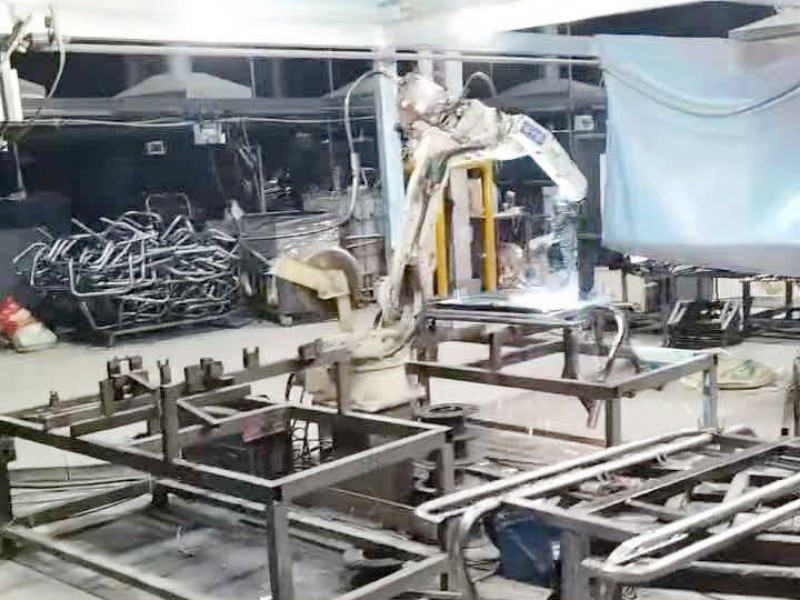
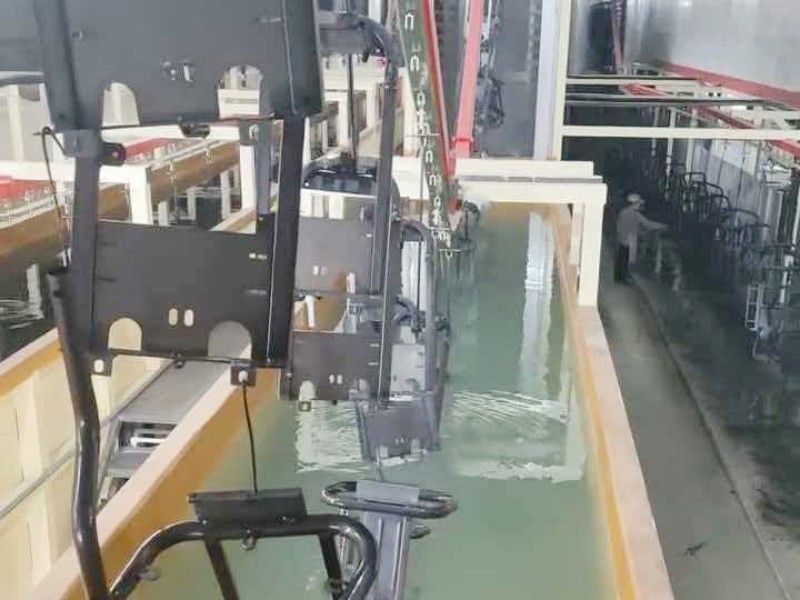
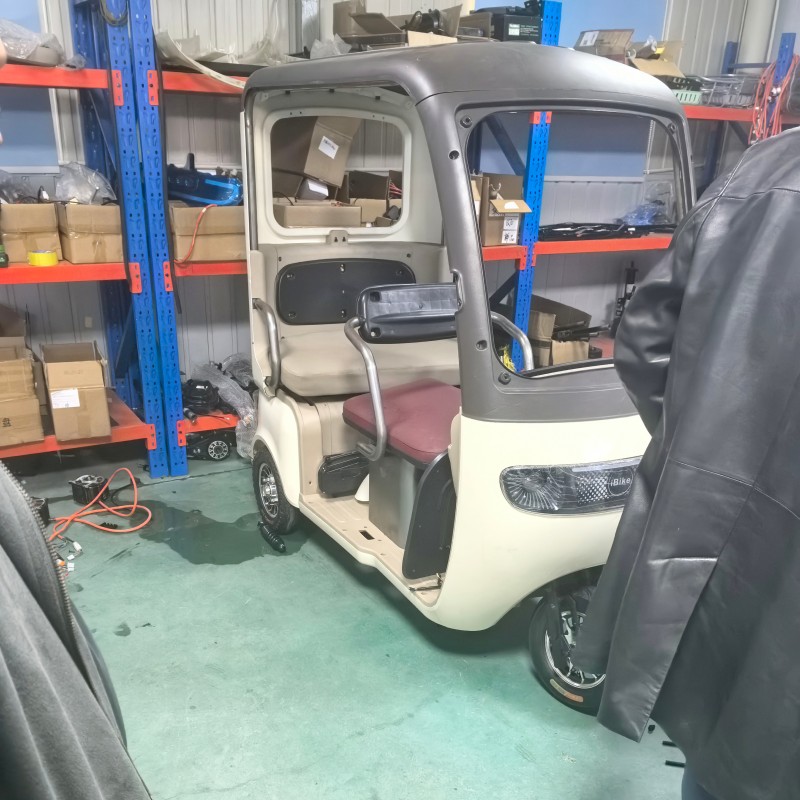
Tianjin Aiweda's advanced manufacturing facility features robotic laser cutting, precision automated welding, and state-of-the-art coating facilities.
Step 1
Robotic Welding
Step 2
Baking Varnish & Electroplating
Step 3
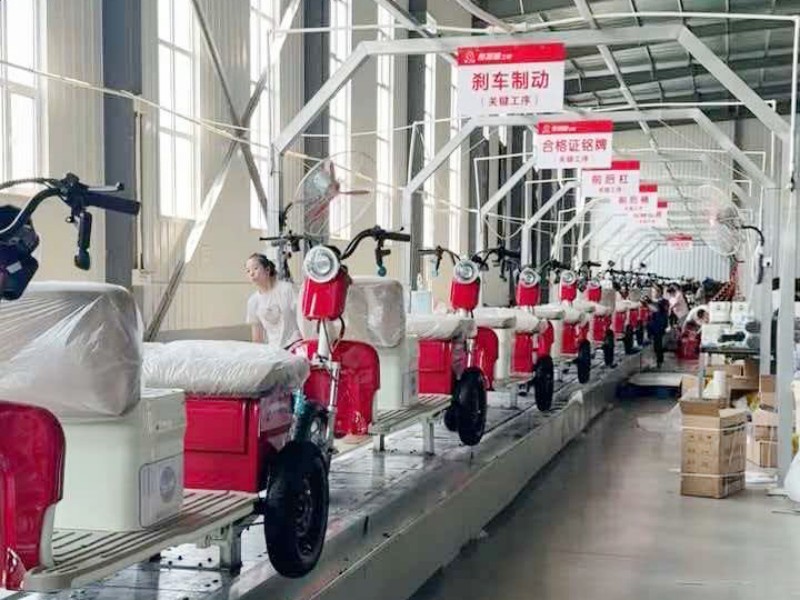
Precision System Assembly
Step 4
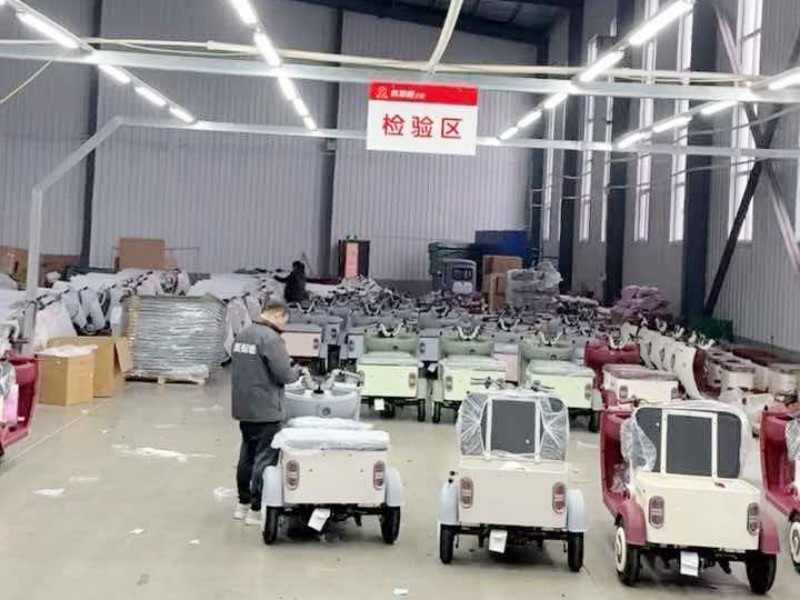
Rigorous Multi-point Inspection
Step 5
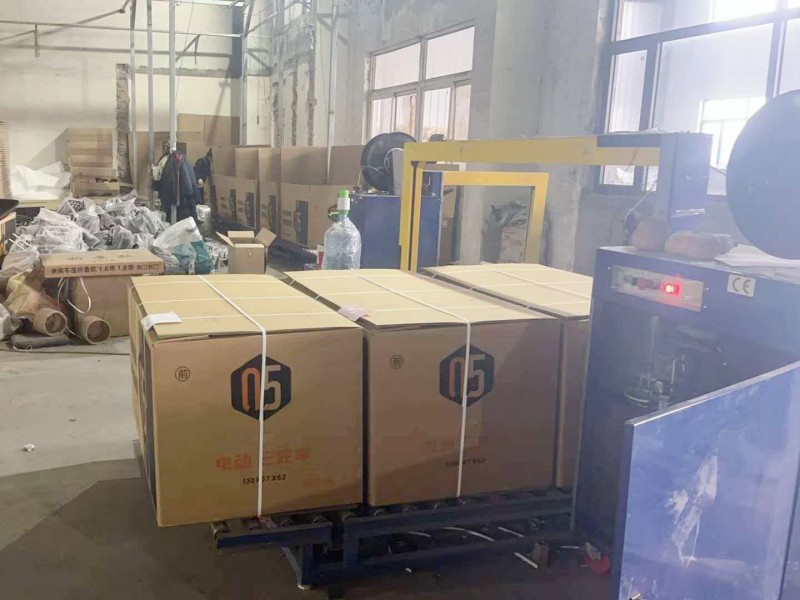
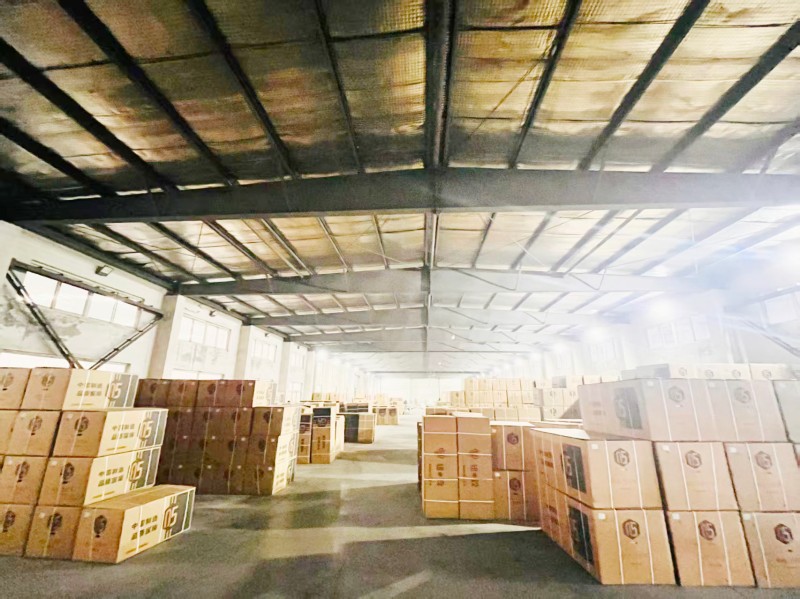
Heavy Duty Export Packing
Step 6
Global Shipping & Logistics Hub
Pioneering AI-Driven Autonomous Systems
At Tianjin Aiweda, innovation is a continuous pursuit. Our engineering teams have integrated customizable autonomous driving algorithms and voice control systems designed specifically for lightweight three-wheel and four-wheel passenger vehicles. By leveraging advanced sensors and onboard processors, we aim to deliver smart, safe, and easily deployable transit vehicles for high-density metropolitan areas like Seoul.
Advanced Chassis Durability
Constructed with reinforced high-carbon structural steel designed to withstand prolonged mechanical fatigue under full-load operation in steep hilly urban terrain.
Commercial Product Center (Export Ready)
Browse our extensive collection of high-performance electric passenger vehicles, cargo trikes, and quadricycles optimized for the South Korean market.
Equipped with a high-torque electric motor and dual-purpose cargo/passenger configuration, it offers robust cargo-carrying efficiency for local retail chains.
Featuring a high-strength carbon-steel reinforced chassis frame. Provides reliable steering control and excellent suspension dampening for daily city roads.
Built with an ultra-strong high-carbon steel chassis frame, 1000W brushless motor, and an 18-channel high-power controller. Perfect for heavy cargo loads.
The macro-economic landscape is steering global municipal regions toward comprehensive electrification. Across Europe, North America, and particularly East Asia, urban logistics operators are transitioning away from light combustion engine vehicles. The key catalyst is operational optimization: electric three-wheel vehicles offer a significantly lower Total Cost of Ownership (TCO) compared to petrol motorbikes, while providing superior payload capacity and weather protection.
Advanced Battery Management (BMS)
Under extreme seasonal temperature swings (such as Seoul's sub-zero winters), battery efficiency can decline rapidly. Aiweda's advanced thermal insulation configurations and BMS logic protect battery health, preserving cell life and ensuring stable discharge rates even in temperatures down to -15°C.
Low-temperature discharge protection
Overcharge and cellular balancing algorithms
Real-time telemetry and error reporting
Quick charge capability integration
4. Environmental Benefits and Carbon Offsetting
Replacing one internal combustion delivery scooter with a custom Aiweda electric cargo tricycle prevents approximately 1.8 metric tons of CO2 emissions annually. For municipal fleets in major metropolitan areas, this makes a substantial contribution to carbon offset programs and localized air-quality initiatives.
Frequently Asked Questions
Get answers to common queries regarding local regulatory compliance, importing, customized configurations, and shipping to South Korea.
Do Aiweda electric tricycles meet Korean safety certifications?
Yes. We collaborate closely with local importers and laboratories in Seoul to verify that our export units satisfy Korean KC (Korea Certification) protocols, including battery safety tests, EMC assessments, and structural chassis integrity certifications.
Can these electric tricycles navigate the steep hills of Seoul's residential districts?
Absolutely. Our vehicles are equipped with brushless high-torque motors (up to 1000W) and advanced 18-channel controllers. Combined with dynamic rear axle configurations, they are engineered to climb urban slopes and navigate narrow alleys under heavy cargo loads.
What customizations are available for municipal or commercial fleets in Seoul?
We provide custom fleet options, including insulated cargo boxes for cold-chain food deliveries, custom branding wraps, integrated GPS/GSM trackers for fleet management, solar roof panels, and custom-programmed speed controllers.
What is the average lead time for wholesale exports to South Korea?
Standard OEM production runs average 20-30 days at our Tianjin manufacturing center. Transit time from Tianjin Port to Incheon or Busan Port is exceptionally short—typically only 2 to 4 days, allowing for fast, responsive supply chain fulfillment.
Ready to Electrify Your Fleet in Seoul?
Whether you are a logistics distributor, municipal operations manager, or private importer, get in touch with our engineering team today to request structural specifications, wholesale price lists, and compliance documentation.
 Aiweda